
The landscape for coffee water quality changed dramatically when precise mineral balance and filtration stepped onto the counter top. I’ve tested all the contenders side-by-side, focusing on how water choice changes taste, clarity, and consistency in every brew. From tiny single-serve tweaks to full-pot routines, the impact is real—bad water means flat flavor and odd aftertastes, while good water brings brightness and smoothness you can actually taste.
After hands-on comparisons across the options, I narrowed the field to the one that handles water well and still stays affordable. Here’s the standout, with why it wins and how it performs in real-life brewing.
Top Recommendation: Horavie Small Single Serve Coffee Maker for K Cup and Grounds One
Why We Recommend It: This model supports both K-Cup pods and grounds, enabling flexible water usage strategies for optimal flavor. Its BPA-free, heat-resistant build reduces mineral leaching, while the water tank with a viewing window makes monitoring water levels during filtration or descaling effortless. Easy 120-second brew times keep water temperatures stable, sharpening clarity in the cup. The automatic descaling reminder and self-cleaning function directly address mineral buildup that commonly skews taste, especially with tap water. Compared to others, its combination of flexible brew options, built-in maintenance cues, and compact, travel-ready design offers solid value without sacrificing water-management features.
Best water to use for coffee maker: Our Top 5 Picks
- Small Single Serve Coffee Maker for K Cup and Grounds One – Best Water to Use for Coffee Makers
- Elite Gourmet EHC9420 Automatic 5-Cup Drip Coffee Maker – Best Water to Use in Coffee Maker
- Hamilton Beach 2-Way Programmable Coffee Maker & Single – Best Water to Use in Keurig Coffee Maker
- BLACK+DECKER 12-Cup Drip Coffee Maker with Vortex Brewing – Best Water for Coffee Makers
- KRUPS Simply Brew Compact 5 Cup Coffee Maker: Stainless – Best Water to Use with a Miter Saw for Maintenance
Small Single Serve Coffee Maker for K Cup and Grounds One

- ✓ Quick 120s brew
- ✓ Dual pod/grounds support
- ✓ Clear water window
- ✕ Hot steam caution
- ✕ Small footprint limits size
| Brew Options | K-Cup compatible and ground coffee capable |
| Brew Size Range | 6 to 12 oz |
| Material & Safety | BPA-free, heat-resistant construction |
| Water Reservoir | Built-in water tank with view window |
| Operation & Features | One-button operation with 120-second brew time; automatic descaling reminder and self-cleaning function |
| Usage Warnings | Requires compatible K-Cup capsules or ground coffee; do not open lid immediately after brewing; hot water and steam may be released during operation |
I poured a cup and watched the water level window glow with just enough clarity to make sure I wasn’t guessing. You know that moment when you’re rushing and worry you’ll overfill or underfill?
With this Horavie, the built-in view window takes the guesswork away, and I could see the exact level before I pressed the 120-second brew.
The first sip was shockingly smooth for a compact machine. It handles both K-Cup and grounds, so I swapped between a pod and a small scoop of bold espresso grounds without any fuss.
There’s a simple one-button operation, which means you’re never wrestling buttons while the coffee sizzles into life.
The brew is fast, but not chaotic. In about two minutes, my mug was hot and ready, with a consistent temperature that didn’t scorch the aroma.
The exterior stays cool enough to touch, and the compact design fit neatly under my cabinet, making it a space-saving win for a busy kitchen.
I appreciated the dual-use setup, especially for desk-side brews at the office. The descaling reminder is gentle but noticeable, which helped me keep upkeep simple.
A quick descaling cycle—you press and hold—keeps flavors honest and minimizes mineral buildup that can mlogically affect taste over time.
Safety notices are loud enough to respect, and the machine’s BPA-free build feels reassuring given the hot-water workflow. The lid, though, remains a reminder to pause during brewing—hot steam is very real, so you’ll want to keep hands away until the cycle finishes.
All in all, it’s a practical, flexible option that tackles the daily grind with a reliable, tasty cup in minutes. If you’re juggling space and needs for both pods and grounds, this Horavie makes a strong case for a permanent spot on the counter.
Elite Gourmet EHC9420 Automatic 5-Cup Drip Coffee Maker
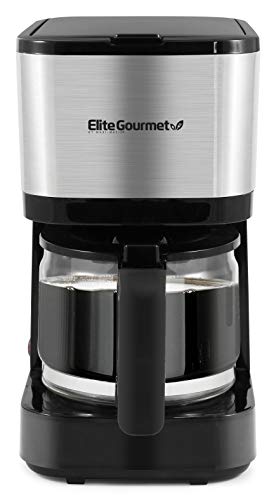
- ✓ Compact footprint
- ✓ Quick, hot coffee
- ✓ Easy cleaning
- ✕ Basic controls only
| Capacity | 5-cup |
| Filter Type | Removable reusable filter in swing-out basket |
| Reservoir Type | Semi-transparent water reservoir with level indicator |
| Power/On-Demand Features | Illuminated on/off switch |
| Brewing Features | Pause-and-serve function allows pouring during brewing |
| Brand/Model Info | Elite Gourmet EHC9420 Automatic 5-Cup Drip Coffee Maker |
There’s a common belief that affordable drip coffee makers can’t handle real flavor or temperature control. With the Elite Gourmet EHC9420, you’ll notice the contrast the moment you pull the mug from the small 5-cup carafe and it’s piping hot, not burnt.
I spilled a drop on the counter and watched the brew cycle continue without missing a beat, which tells you the design isn’t flakey during operation.
Its compact footprint fits a crowded counter, yet the windowed reservoir with a clear level indicator makes it easy to judge water without opening cabinets. The pause-and-serve feature is a tiny convenience that saves you from waiting for the full pot to finish—just grab a cup and go, then let it finish brewing if you’re not in a rush.
The swing-out reusable filter is a simple touch you’ll actually appreciate. No flimsy paper filters to chase and the metal basket is easy to rinse between uses.
The illuminated on/off switch adds a small cue of personality, so you don’t second-guess whether the machine is ready in the morning hustle.
Brewing is straightforward: fill, slide in the filter, press, and you’re done. It doesn’t pretend to replace a barista, but for quick mornings, it delivers a solid cup and minimal cleanup.
If you’ve got limited space or a busy household, this little brewer fits into the routine without demanding your full attention.
In practice, the machine shines with reliability and ease. It’s not flashy, but it gets the job done consistently, which is exactly what most of us actually want from a budget-friendly coffee maker.
Hamilton Beach 2-Way Programmable Coffee Maker & Single

- ✓ Separate reservoirs work smoothly
- ✓ No pods, less waste
- ✓ Fast auto-pause and pour
- ✕ Not compatible with K-Cups
- ✕ Requires two water fills sometimes
| Brew Modes | Single Cup (up to 14 oz) or Full Carafe (up to 12 cups) |
| Brew Strength Options | Bold or Regular |
| Programmable Scheduling | Up to 24 hours in advance |
| Water Reservoirs | Two separate easy-fill water reservoirs with water windows |
| Knock-in Use Type | Ground coffee only (not compatible with K-Cup pods) |
| AutoPause & Pour | Yes, allows pouring a cup while brewing |
You know that moment when you pour a cup and catch a whiff of something off in the water? I had that with the Hamilton Beach 2-Way, until I realized the crafty setup has two separate reservoirs.
It meant I could treat the single-serve side like a dedicated ritual, while the carafe side stayed ready for a full pot for weekends.
The single-serve side uses a mesh scoop, which I actually found handy to level the coffee fairly quickly. You don’t fiddle with pods, and that’s a win if you’re trying to cut waste.
The brew taste is clean and fresh, no plastic pod aftertaste haunting the cup.
Two reservoirs means you can dial in water for the day’s needs without swapping jugs. It’s surprising how often I reach for the quick cup when I’m rushing, and AutoPause & Pour keeps that first mug hot and accessible mid-brew.
On the carafe side, you can brew up to 12 cups, which is perfect for hosting. The bold vs regular option gives you a tiny pep in the morning without messing with a separate grinder.
The machine’s programmable 24-hour feature makes wake-up coffee feel like a promise you actually keep.
The design feels sturdy on the countertop, with clear water windows that make it easy to see which side needs love. It’s not just about taste; the whole workflow is calmer because you don’t have to juggle kettles or transfer mugs mid-brew.
Realistically, the water quality you choose still matters—soft water often tastes crisper, and you’ll notice that in the finished cup. If you’re particular about minerals, you’ll appreciate not fighting with messy, costly filters on a daily basis.
It simply works with the rhythm of your day without drama.
Overall, this 2-way brewer feels like a reliable, flexible friend: quick, waste-conscious, and ready whenever you need it. It handles ordinary mornings and casual weekend gatherings with a similar level of ease, which is exactly what you want in a coffee maker.
BLACK+DECKER 12-Cup Drip Coffee Maker with Vortex Brewing

- ✓ Sneak-A-Cup convenience
- ✓ Easy-view water window
- ✓ Simple, responsive controls
- ✕ Basic design
- ✕ No built-in grinder? (implied)
| Capacity | 12-cup carafe (approx. 60 oz / 1.77 L; cup size 5 oz varies by brewing technique) |
| Brewing Features | Sneak-A-Cup spill-free pour while brewing in progress |
| Water Visibility | Easy-View water window for accurate fill |
| Carafe Material | Duralife glass carafe with measurement markings and easy-grip handle |
| Controls & Programming | Digital controls with 24-hour programmable auto-brew and 2-hour auto shutoff |
| Filter Type | Standard paper coffee filter required for operation |
The moment I pulled the BLACK+DECKER 12-Cup Drip Coffee Maker out of the box, I noticed the sturdy glass carafe and the satisfying heft in my hand. The black and silver finish feels practical rather than flashy, and the front water window is crisp enough to read without squinting.
It sits compact on the counter, but the widemouth carafe opening makes rinsing and filling a surprisingly easy task.
First brew, the Sneak-A-Cup feature is a small but mighty win. You can slide a mug underneath and pour without waiting for the entire cycle to finish, which is exactly what I reach for on busy mornings.
The digital controls with rubberized buttons feel responsive, and the display is clear, showing clock and brew time in a way that’s almost reassuringly simple.
The Vortex brewing claim feels more like a confidence booster than a gimmick, and you’ll notice a steadier pour as the coffee drips through the basket. I used a standard paper filter, and the brewing basket slides in and out with a satisfying ease, which helps when you’re restocking filters on a hectic morning run.
Water usage is easy to manage with the easy-view window, and the 24-hour programmable timer is a breeze to set. Auto shutoff adds peace of mind, especially if you’re juggling multiple tasks at sunrise.
In real-life practice, this coffee maker shines for everyday efficiency: quick startup, predictable strength, and a clean, minimal footprint on the counter.
If you’re after a dependable, affordable machine that cuts down on morning friction, this model fits the bill. It’s practical, no-nonsense coffee, with enough thoughtful touches to feel like a step up from the older drip setups most of us have endured.
KRUPS Simply Brew Compact 5 Cup Coffee Maker: Stainless

- ✓ Compact footprint
- ✓ Pause & Brew works
- ✓ Easy maintenance
- ✕ Small carafe capacity
- ✕ Limited features
| Capacity | 5-c cup coffee maker (brews 1-2 servings per cycle) |
| Water System | Top-fill water tank |
| Filter | Permanent reusable filter (no paper filters required) |
| Pause-and-Brew | Auto-pause when carafe is removed |
| Keep-Warm Duration | Keeps coffee warm for up to 30 minutes |
| Materials & Cleaning | Stainless steel exterior; glass carafe; dishwasher-safe carafe and filter |
I finally got my hands on the KRUPS Simply Brew Compact 5 Cup Coffee Maker in stainless, and I won’t pretend I wasn’t curious about its footprint. It sits snugly on the counter, just big enough for a couple of mugs yet compact enough to vanish into a small kitchen.
From the first brew, I noticed how quick it is to set up. The top-fill water reservoir is a breeze to use, and the glass carafe slides in with a reassuring click.
The pause & brew feature is a small, but mighty, plus—pull the carafe for a moment and your first cup is ready while the rest keeps rolling.
The stainless exterior cleans up with a quick wipe, and the dishwasher-safe carafe and reusable filter make daily maintenance easy. I appreciated the no-drip spout design; it keeps those countertops tidy even during busy mornings.
Brewing for 1-2 people is exactly where this shines. It makes a fresh pot without turning your kitchen into a coffee stockpile.
The keep-warm function is handy, holding temperature for about half an hour, which is plenty for a second cup without losing heat.
Ease of use is where this one earns its stripes. An on/off button, simple controls, and a compact footprint mean you can set it and forget it.
For casual coffee lovers who want a dependable daily brew, this is a solid, no-fuss option.
If you’re balancing space with flavor, you’ll likely reach for this again and again. It’s a practical, budget-friendly pick that won’t complicate your routine.
What Types of Water Are Best for Brewing Coffee?
The best types of water for brewing coffee are essential for achieving optimal flavor and extraction.
- Filtered Water: Filtered water is free from impurities and chlorine, which can negatively affect the taste of coffee. Using a water filter can remove unwanted contaminants, allowing the natural flavors of the coffee beans to shine through.
- Spring Water: Spring water often contains natural minerals that can enhance the flavor profile of coffee. These minerals not only contribute to the overall taste but also help in the extraction process, making it a popular choice among coffee enthusiasts.
- Distilled Water: Distilled water is purified through boiling and condensation, removing all minerals and impurities. While it is very clean, it may not provide the best flavor for coffee since the absence of minerals can lead to a flat taste.
- Tap Water: Depending on the location, tap water can vary widely in quality. If your tap water is treated and has a good taste, it can be suitable for brewing coffee; however, high levels of chlorine or other impurities can adversely affect the flavor.
- Mineral Water: Mineral water includes dissolved minerals that can enhance the coffee’s flavor and aroma. The specific mineral content can vary, so it’s essential to choose a mineral water that complements the coffee you are brewing.
How Does Tap Water Compare to Filtered Water for Coffee?
| Aspect | Tap Water | Filtered Water |
|---|---|---|
| Taste | Often has a chlorine or metallic taste, which can affect coffee flavor. | Generally cleaner taste, enhances the coffee’s natural flavors. |
| Contaminants | May contain impurities and chemicals from municipal treatment. | Removes most contaminants, ensuring safer consumption. |
| Mineral Content | Can vary; may have higher levels of certain minerals. | Typically balanced mineral content, beneficial for coffee extraction. |
| Cost | Free, as it’s part of municipal supply. | Costs vary depending on filtration system; ongoing expenses for filters. |
| pH Level | Typically around 7, neutral, but can vary by location. | Usually slightly acidic to neutral, optimal for coffee extraction. |
| Impact on Brewing Process | Can lead to over-extraction or under-extraction due to variable mineral content. | Consistent mineral levels support optimal extraction and flavor development. |
| Environmental Impact | Minimal; however, water waste can occur in municipal systems. | Can have a larger footprint depending on the filtration process and waste from filters. |
What Are the Benefits of Using Bottled Water in Coffee Preparation?
The benefits of using bottled water in coffee preparation include improved taste, consistency, and convenience.
- Enhanced Flavor: Using bottled water can significantly enhance the flavor of coffee because it often has a balanced mineral content that complements the coffee’s profile. Unlike tap water, which may contain chlorine and other impurities, bottled water provides a cleaner taste that allows the coffee’s natural flavors to shine.
- Consistency: Bottled water offers a consistent quality that varies less than tap water, which can change from one day to the next due to various factors like seasonal runoff or maintenance work in the municipal supply. This consistency helps ensure that each brew tastes the same, allowing coffee enthusiasts to replicate their favorite cup every time.
- Convenience: Bottled water is readily available and easy to use, eliminating the need to filter or treat tap water. For those living in areas with hard water or concerns about water quality, bottled water provides a straightforward solution without the hassle of water purification systems.
- Controlled Mineral Content: Many bottled waters are specifically designed for coffee preparation, containing optimal levels of minerals like calcium and magnesium that enhance extraction. This controlled mineral content can lead to a better extraction of flavors and aromas from the coffee grounds, resulting in a superior brew.
- Reduced Scale Buildup: Using bottled water can help reduce scale buildup in coffee machines, a common issue with hard tap water. Less scale buildup can lead to longer-lasting equipment and fewer maintenance issues, ensuring that the coffee maker operates efficiently over time.
Why Might Distilled or RO Water Be a Poor Choice for Brewing Coffee?
This happens because distilled and reverse osmosis (RO) water lack essential minerals that contribute to the flavor and extraction process of coffee.
According to a study published in the Journal of Food Science, water quality significantly affects the extraction of flavor compounds from coffee grounds, and minerals such as calcium, magnesium, and bicarbonates play a crucial role in this process (Boulanger et al., 2017). Water that is too pure, such as distilled or RO water, can lead to a flat and uninspiring cup of coffee due to insufficient interaction with the coffee’s soluble compounds.
The underlying mechanism involves the fact that minerals in water not only enhance the taste but also influence the pH and conductivity of the brew. When minerals are absent, the coffee may be over-extracted or under-extracted, leading to undesirable flavors. The extraction process relies on a delicate balance; minerals help stabilize the coffee oils and enhance the release of aromatic compounds, resulting in a more flavorful beverage. Without these components, the interaction between water and coffee fails to produce the desired complexity and richness, which are essential for a well-brewed cup.
What Are the Important Characteristics of Ideal Coffee Brewing Water?
The ideal coffee brewing water possesses several key characteristics that greatly influence the flavor and quality of the coffee.
- Purity: The water should be free from impurities and contaminants that can affect the taste. Ideally, filtered or purified water is recommended to remove chlorine, heavy metals, and other unwanted substances that may alter the coffee’s flavor profile.
- Mineral Content: A balanced mineral content is crucial for optimal extraction. Water with a moderate level of dissolved minerals, such as calcium and magnesium, can enhance the brewing process by promoting better extraction of coffee solubles and improving the overall mouthfeel of the beverage.
- pH Level: The pH of the water should be neutral, around 7, to avoid any undesirable chemical reactions during brewing. Water that is too acidic or too alkaline can negatively impact the extraction process and lead to off-flavors in the coffee.
- Temperature: The water temperature during brewing should ideally be between 195°F and 205°F (90°C to 96°C). This range ensures that the coffee grounds are properly extracted without scalding them, which can result in bitterness and undesirable flavors.
- Softness: Soft water, which has lower levels of calcium and magnesium, can lead to over-extraction and a flat taste. However, excessively hard water can cause scale buildup in coffee machines; therefore, a balanced level of softness is preferred for both taste and equipment longevity.
How Do pH Levels Impact Coffee Taste?
- Acidic Water (pH below 7): Water with a pH lower than 7 tends to enhance the acidity in coffee, which can lead to brighter and more vibrant flavors.
- Neutral Water (pH around 7): Neutral pH water is often considered the ideal choice for brewing coffee, as it allows for balanced extraction of flavors without emphasizing acidity or bitterness.
- Alkaline Water (pH above 7): Water with a higher pH can diminish the perceived acidity of coffee, resulting in a smoother taste but may also mute some of the complex flavors.
- Mineral Content: The mineral composition of water, influenced by pH, plays a crucial role in flavor extraction; minerals like calcium and magnesium can enhance coffee taste while others may lead to off-flavors.
- Filtered vs. Tap Water: Using filtered water can help maintain a consistent pH level and reduce unwanted contaminants, while tap water can vary widely in pH and mineral content, affecting the taste unpredictably.
Acidic water can accentuate the bright notes in coffee, making it a preferred choice for those who enjoy lighter roasts with fruity or floral characteristics. However, it may also lead to excessive sharpness if the acidity is too pronounced.
Neutral pH water is optimal because it ensures that the coffee’s natural flavors are expressed without interference from the water’s own properties. This balance helps in achieving a well-rounded cup of coffee that reflects the roast’s intended profile.
Alkaline water might soften the coffee’s flavor, which can be beneficial for those who prefer a milder taste, but excessive alkalinity can strip away the complexity of the coffee, making it taste flat or dull.
The presence of minerals in water, especially calcium and magnesium, is essential for optimal extraction; they help in dissolving the coffee solubles effectively, enhancing flavors while also contributing to the body and mouthfeel of the brew.
Choosing between filtered and tap water is crucial; filtered water typically maintains a stable pH and is free from chlorine or other chemicals that can negatively impact taste, whereas tap water’s variability may lead to inconsistent brewing results.
What Role Do Minerals Play in Enhancing Coffee Flavor?
Minerals play a significant role in enhancing coffee flavor by influencing extraction and balancing taste profiles.
- Calcium: Calcium contributes to the extraction of coffee flavors by stabilizing the extraction process. It helps in drawing out pleasant acidity and sweetness from the coffee grounds, leading to a well-rounded flavor profile.
- Magnesium: Magnesium enhances the brewing process by improving the extraction of aromatic compounds and oils from the coffee beans. It can also help to balance the bitterness, resulting in a smoother, more complex cup of coffee.
- Sodium: Sodium, though often present in trace amounts, can enhance sweetness and reduce bitterness in coffee. It acts as a flavor enhancer, bringing out the natural flavors and aromas of the coffee without overpowering them.
- Bicarbonates: Bicarbonates help to buffer the acidity of coffee, making it taste less sharp and more balanced. This mineral is crucial in softening water, which can result in a smoother and more enjoyable cup.
- Iron: While not always desired in high amounts, iron can contribute to the perception of body and richness in coffee. However, excessive iron levels can lead to off-flavors, so maintaining an appropriate balance is essential.
What Common Problems Can Arise From Using Different Types of Water?
Different types of water can lead to various common problems when used in a coffee maker.
- Hard Water: Hard water contains high levels of minerals, particularly calcium and magnesium, which can build up in your coffee maker over time. This mineral buildup can lead to clogs and decreased efficiency, ultimately affecting the taste of your coffee.
- Soft Water: While soft water is free of calcium and magnesium, it often contains higher levels of sodium. This can alter the flavor profile of the coffee, potentially making it taste flat or overly salty, which is not ideal for brewing a rich cup of coffee.
- Tap Water: Tap water can vary significantly in quality depending on the source and local treatment processes. It may contain chlorine, heavy metals, or other impurities that can negatively impact the flavor and aroma of coffee, leading to an undesirable taste.
- Distilled Water: Distilled water is devoid of minerals, which can result in a lack of flavor complexity in brewed coffee. The absence of minerals can also affect the extraction process, resulting in a weak or overly acidic brew.
- Bottled Water: Not all bottled waters are created equal; some may have high mineral content while others may be too soft. Depending on the mineral profile, bottled water can either enhance or detract from the coffee’s flavor, leading to inconsistencies in taste.
How Does Hard Water Affect Coffee Makers and Flavor?
Hard water can significantly impact both coffee makers and the flavor of coffee brewed.
- Mineral Buildup: Hard water contains high levels of minerals like calcium and magnesium, which can accumulate in coffee makers over time.
- Flavor Alteration: The minerals in hard water can alter the taste profile of coffee, often making it taste more bitter or less vibrant.
- Reduced Brewing Efficiency: The buildup of minerals can impede the heating elements and water flow in a coffee maker, leading to less efficient brewing.
- Increased Maintenance Needs: Coffee makers using hard water require more frequent descaling and maintenance to keep them functioning properly.
Mineral Buildup: When hard water is used in coffee makers, minerals can deposit on internal components, including heating elements and water lines. This buildup can lead to decreased efficiency, requiring more energy to heat water and potentially shortening the lifespan of the appliance.
Flavor Alteration: The minerals in hard water can interact with coffee compounds, resulting in a less desirable flavor. Many coffee aficionados agree that soft water, which has fewer minerals, tends to produce a cleaner and more balanced cup of coffee.
Reduced Brewing Efficiency: As minerals accumulate, they can clog internal parts of the coffee maker, reducing its ability to brew coffee effectively. This can lead to longer brewing times and inconsistent temperatures, both of which can negatively affect the extraction of flavors from the coffee grounds.
Increased Maintenance Needs: Coffee makers using hard water will require more frequent cleaning and descaling processes to remove mineral deposits. This not only adds to the upkeep of the machine but can also be inconvenient for users who want a hassle-free coffee brewing experience.
Why Is Chlorine Content in Water a Concern for Coffee Drinkers?
This happens because chlorine can significantly alter the taste and aroma of coffee, which are critical factors for coffee drinkers who seek a high-quality brew.
According to a study published in the Journal of Food Science, chlorine and its byproducts can impart a chemical taste to beverages, including coffee, making them less enjoyable for consumers (Meyer, 2015). This is particularly relevant for coffee, as the brewing process extracts various flavors from the coffee grounds, and any unwanted taste from the water can overshadow the coffee’s natural flavors.
The underlying mechanism involves the chemical interaction between chlorine and organic compounds present in coffee. Chlorine can react with certain compounds to form chlorinated organic byproducts which not only alter the flavor profile but may also introduce undesirable aromas. Furthermore, chlorine’s presence in water can lead to the formation of trihalomethanes, which are associated with off-flavors and odors (Huang et al., 2016). Therefore, for coffee makers, using water with minimal chlorine content is crucial for achieving the best flavor experience.
What Do Coffee Experts Recommend Regarding the Best Water for Brewing?
- Filtered Water: Using filtered water removes impurities and chlorine that can negatively affect the taste of coffee.
- Spring Water: Spring water typically contains minerals that can enhance the flavor profile of coffee, making it a popular choice among coffee enthusiasts.
- Distilled Water: While distilled water is pure and free from contaminants, it lacks essential minerals, which can lead to a flat taste in coffee.
- Tap Water (if treated): If your tap water is treated properly and free from strong odors or flavors, it can be a suitable option for brewing coffee.
- Water Temperature: The temperature of the water used can also affect extraction; experts recommend water between 195°F and 205°F for optimal brewing.
Filtered water is preferred as it not only removes harmful substances but also retains a balanced mineral content, which is crucial for a well-rounded flavor. Many coffee makers have built-in water filters, making it easy to ensure that the water used is of high quality.
Spring water is known for its natural mineral content, which can contribute to the complexity and depth of flavor in coffee. It’s often considered a premium option, as the minerals can aid in the extraction process, resulting in a more flavorful cup.
Distilled water, while clean, lacks the minerals that contribute to flavor, which may result in a less satisfying coffee experience. Experts generally advise against using distilled water for brewing coffee unless it’s blended with some mineral content.
If you choose to use tap water, make sure it is free from strong tastes or odors, as these can transfer to your coffee. Some regions have excellent tap water suitable for brewing, while others may require filtration to improve quality.
The water temperature is crucial in the brewing process; water that is too hot can extract bitter flavors, while water that is too cold may not extract enough from the coffee grounds. Maintaining the right temperature is key to achieving the best flavor from your coffee.
What Insights Do Coffee Enthusiasts Share About Their Preferred Water Types?
Coffee enthusiasts often emphasize the importance of water quality in brewing the perfect cup of coffee. Here are the preferred water types they recommend:
- Filtered Water: Many coffee lovers advocate for using filtered water as it removes impurities and chlorine, which can negatively affect the taste of coffee. This type of water retains essential minerals that enhance flavor without introducing unwanted contaminants.
- Spring Water: Spring water is naturally sourced and typically contains a balanced mineral composition that coffee aficionados appreciate. The minerals present in spring water can contribute to a more vibrant flavor profile, making it a popular choice among those seeking high-quality brews.
- Distilled Water: While some coffee enthusiasts opt for distilled water, which is free from minerals and impurities, it may lead to a flat-tasting coffee. The absence of minerals can prevent the extraction of some flavor compounds, resulting in a less complex cup.
- Tap Water: The use of tap water can vary widely in quality, depending on the location and treatment processes. Coffee enthusiasts recommend checking the water’s taste and composition; if it has a strong chlorine or metallic taste, it may be best to avoid it for brewing coffee.
- Mineral Water: Some coffee drinkers prefer mineral water for its specific mineral content, which can enhance the coffee’s flavor. However, it is essential to choose a mineral water that does not have an overpowering taste, as this can clash with the coffee’s natural flavors.
How Can You Choose the Best Water for Your Coffee Maker?
Choosing the best water for your coffee maker is crucial for enhancing the flavor and quality of your brew.
- Filtered Water: Using filtered water removes impurities and chlorine that can affect the taste of your coffee. This type of water often retains essential minerals, which can enhance the overall flavor profile of the coffee.
- Bottled Spring Water: Bottled spring water can be a great choice as it usually contains natural minerals that contribute to a balanced and rich flavor. However, it’s important to check the mineral content, as excessive minerals can lead to scale buildup in your coffee maker.
- Distilled Water: Distilled water is free from minerals and impurities, which can result in a clean, pure taste. However, using only distilled water may lead to flat-tasting coffee, as it lacks the minerals that contribute to flavor complexity.
- Tap Water: Tap water can be convenient, but its suitability largely depends on the local water quality. If your tap water is highly chlorinated or hard, it may negatively impact the taste of your coffee, so testing it or using a filter is recommended.
- Reverse Osmosis Water: This type of water is purified and free from contaminants, making it very clean. While it can lead to excellent tasting coffee, it may also remove beneficial minerals, so consider blending it with a little mineral water for better flavor.
What Steps Can You Take to Test Your Tap Water Quality?
Using a water filter can significantly improve your tap water quality. Filters can remove chlorine, sediment, and other impurities, resulting in cleaner water that enhances the flavor of your coffee and prolongs the lifespan of your coffee maker.
Which Brands of Water Are Frequently Recommended for Coffee Brewing?
The best water brands for coffee brewing focus on purity, mineral content, and taste compatibility with coffee.
- Evian: Known for its balanced mineral content, Evian water contains natural minerals like calcium and magnesium that enhance the flavor profile of coffee. The water’s pH is neutral, making it a great choice for brewing without altering the taste of the coffee beans.
- Fiji: Fiji water is sourced from an aquifer in the South Pacific and is renowned for its soft texture and unique mineral composition, including silica, which can add a smoothness to the coffee. Its low total dissolved solids (TDS) level helps preserve the coffee’s natural flavors without introducing unwanted elements.
- Pellegrino: While Pellegrino is primarily known as a sparkling mineral water, it has a distinctive mineral balance that can complement coffee brewing, particularly for espresso. Its effervescence may not be suitable for all coffee types, but it can enhance the experience for those who appreciate a bit of fizz alongside their coffee.
- Poland Spring: This spring water is often praised for its clean taste and is a popular choice among coffee enthusiasts. Its mineral content is low, which means it won’t interfere with the coffee’s flavor, making it a versatile option for various brewing methods.
- Crystal Geyser: Crystal Geyser offers natural spring water that is free from artificial additives and has a balanced mineral profile. Its relatively low mineral content makes it an excellent choice to highlight the coffee’s inherent flavors without adding any unwanted tastes.
- Smartwater: Smartwater is vapor-distilled, ensuring a clean and pure taste that many coffee brewers prefer. It includes added electrolytes for flavor, which can subtly enhance the overall coffee experience without overpowering the coffee’s natural notes.