
You’ll notice the weight first—Breville BES870XL Barista Express Espresso Machine feels solid in your hands, with a textured, stainless grip and a reassuring heft that says, “this is built to last.” The built-in grinder and precise temp control are the real game changers once you start dialing in shots. It’s loud enough to know you’re extracting, but smooth enough to keep mornings from waking the whole house.
From there, you’ll feel the difference in texture and crema as you pull a shot: steady pressure, clean extraction, and a milk texture that pours latte art without fuss. If you crave consistency and a true bean-to-cup experience, this setup outpaces stovetop and entry-level pumps, especially when you want café-quality results at home.
Top Recommendation: Breville BES870XL Barista Express Espresso Machine, Brushed
Why We Recommend It: The Breville BES870XL combines an integrated precision conical burr grinder with a digital temperature regulation (PID), delivering stable extraction temperatures and correctly ground coffee directly into the portafilter. Its built-in steam wand provides true microfoam for latte art, while the grinder size dial and accessible controls let you tailor grind and shot strength. Compared with stovetop units (Primula) or budget 15-bar models (Chefman), it offers a true beans-to-shot workflow, higher consistency, and versatile frothing, making it the best overall balance of quality, control, and value.
Best coffee to make espresso at home: Our Top 5 Picks
- How To Make The Best Coffee At Home – Best Value
- Coffee Shop at Home: The Ultimate Guide to Making Your – Best Top Coffee for Home Espresso
- Breville BES870XL Barista Express Espresso Machine, Brushed – Best Espresso-Grade Coffee for Home Brewing
- Chefman CraftBrew Espresso Machine, 15-Bar Pump Digital – Best for Home Espresso Enthusiasts
- Primula Classic Stovetop Espresso and Coffee Maker, Moka – Best for Stovetop Espresso at Home
How To Make The Best Coffee At Home

- ✓ Practical step-by-step
- ✓ Budget-friendly
- ✓ Easy to follow
- ✕ Limited gear focus
- ✕ Brief recipes only
| Author/Publisher | Mitchell Beazley |
| Price | $13.63 |
| Format/Media | Paperback or paperback-like edition (book by Mitchell Beazley) |
| Subject/Topic Focus | How to Make the Best Coffee At Home |
| Target Audience | Home咖啡 enthusiasts seeking at-home espresso and coffee-making techniques |
| Category Emphasis | Home espresso and coffee brewing guidance |
You’re standing in your kitchen on a Saturday morning, fresh bag in hand, and the first pour from the Mitchell Beazley guide’s recommended beans smells like cocoa and warmth. You decide to skip the fancy equipment and try the “best coffee to make espresso at home” approach right on your stove top.
The page reminds you that good espresso isn’t just about pressure, but timing, grind size, and a calm mindset.
The book’s tone is practical and friendly, guiding you through a simple routine that fits a busy morning. You’ll find the steps doable without a fancy machine, which is exactly what you wanted when you grabbed the $13.63 guide.
It feels like chatting with a coffee-obsessed friend who knows your mornings aren’t about drama, but a solid shot of flavor.
In practice, you’ll notice concise tips on grind consistency and extraction timing that translate to real-world results. The author emphasizes control over heat and tamping pressure, and you can feel the emphasis on keeping things steady rather than chasing perfection.
It’s approachable, not intimidating, which matters when you’re juggling mugs and the toaster at the same time.
You’ll appreciate the practical flavor notes and quick troubleshooting ideas. The guidance helps you adjust for a fuller body or brighter acidity without reinventing your kitchen.
It’s a compact, readable manual that fits right next to your coffee grinder for quick reference.
When you finally pull a shot, the aroma fills the room and you realize this is less about gadgetry and more about consistency. The book’s approach makes you think about each step as part of a ritual you actually enjoy, not a chore you dread.
And that’s the real win: you can replicate the experience with things you already own.
Overall, this guide earns its place on the counter for anyone who wants a solid espresso at home without a gear obsession. It’s encouraging, practical, and designed for real mornings with real results.
Coffee Shop at Home: The Ultimate Guide to Making Your

| Author/Publisher | Clarkson Potter |
| Format/Medium | Paperback |
| Price | $24.99 |
| Genre/Topic Focus | Coffee preparation at home for espresso enthusiasts |
| Intended Use | Guide to making espresso-based coffee at home |
You know that moment when you pop open a new coffee book and suddenly realize you’re not just reading stories about espresso, you’re actually tasting them in your mind? That happened the instant I flipped to the section on making espresso at home in Coffee Shop at Home.
The cover promises a definitive guide, but the real surprise is how practical Clarkson Potter makes each step feel doable in real life.
The book’s tone is approachable, almost like a chat with a friend who knows your mornings are chaotic but won’t let you settle for subpar shots. You’ll find clear, friendly guidance that doesn’t gas you up with jargon.
It translates directly to your kitchen, from selecting grinder settings to dialing in a ristretto that still tastes balanced.
What I appreciated is the way the author layers technique with practical tips you’ll actually use. It doesn’t bury you in equipment specs; instead, it helps you understand what matters when you’re pulling shots before work.
You’ll notice small, mindful touches, like how to temp control and preheat properly, that make a noticeable difference in crema and sweetness.
The pacing is practical: quick primers, then real-world tweaks you can apply tonight. The recipes feel forgiving enough for beginners, yet insightful for seasoned home baristas who want a repeatable routine.
By the end, you’ll feel more confident dialing in your own espresso profile and troubleshooting common misfires without frustration.
There’s a warmth in the writing that makes the learning feel less intimidating and more like a friendly habit you’re building. If you’ve ever struggled to balance grind size, dose, and extraction time, this guide gives you a clear roadmap without overwhelming you.
It’s the kind of book you’ll keep near your espresso station for quick reference.
Bottom line: it’s not just a collection of tips, but a practical toolkit for elevating home espresso with everyday gear. You’ll finish with a sense of rhythm to your mornings and a few favorite techniques you’ll actually stick with.
PROS
CONS
- Some recipes lean beginner-friendly
Breville BES870XL Barista Express Espresso Machine, Brushed

- ✓ Smooth microfoam maker
- ✓ Built-in grinder convenience
- ✓ Reliable temp control
- ✕ Bulkier footprint
- ✕ Maintenance routine needed
| Power and Electrical | 1600 Watts, 120 Volts |
| Water Capacity | 67 oz (2.0 liters) water tank |
| Bean Hopper Capacity | 1/2 lb (227 g) bean hopper |
| Grinder and Brew System | Built-in precision conical burr grinder with grind size dial; direct-to-portafilter grinding; digital PID temperature regulation for stable extraction |
| Portafilter and Accessories | 54 mm stainless steel portafilter; single and double shot baskets; included razor dose trimming tool and integrated tamper |
You might think a single machine can’t truly nail cafe-grade espresso at home, especially when it comes with a built-in grinder. But you’ll notice the Breville Barista Express surprises you the moment you pull the first shot.
The brushed finish feels sturdy in your hands, and the 54mm portafilter slides in with a satisfying click. The grinder cradle is genuinely convenient, letting you grind directly into the basket without messy transfers.
Milk steaming is where this machine shines for real at home. The steam wand delivers quiet, steady microfoam that’s easy to texture, even on a busy morning when you’re juggling chores.
You can chase latte art without overheating the milk or chasing bubbles.
Temperature stability is noticeable thanks to the digital PID control. Water comes out at a steady, predictable temperature, so your extraction remains balanced rather than flaky.
The pre-infusion step helps pull out delicate flavors from lighter roasts without stalling the shot.
Setup is straightforward, though you’ll want to allocate a little counter space for the 67 oz water reservoir and the hopper. The grind size dial gives you quick adjustments to accommodate different beans, from a bright single-origin to a deeper espresso roast.
During daily use, you’ll appreciate having both single and double shot options and the included accessories that shave minutes off prep. Overall, it feels like you’ve got a compact pro setup without needing a separate grinder and boiler.
For a first-time home barista, it’s forgiving enough to learn on, but precise enough to yield great crema once you dial in your grind and tamp. If you crave convenience without sacrificing flavor, this is a strong contender in the “best coffee to make espresso at home” category.
In short, you’ll find the Barista Express balances ease and control in a way that many all-in-one machines gloss over. It’s not a full-blown commercial rig, but it doesn’t pretend to be.
It just makes consistently good espresso, right when you want it.
Note: The unit includes two free bags of specialty coffee after registering, which is a nice nudge to experiment with different beans without dimishing your budget.
What you’ll love most is the tactile experience—handling the grinder, attaching the portafilter, pulling a shot, and steaming milk without needing a separate setup. It’s a small, well-thought-out ecosystem that respects your time and your palate.
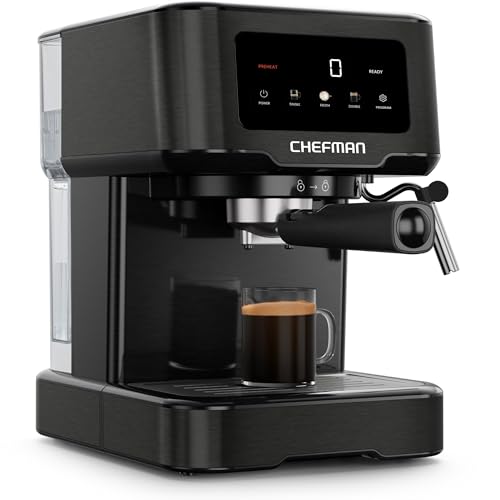
Chefman CraftBrew Espresso Machine, 15-Bar Pump Digital
- ✓ Strong 15-bar pump
- ✓ Built-in milk frother
- ✓ Easy to use
- ✕ Limited precise control
- ✕ Basic steam wand
| Pump Pressure | 15-bar |
| Power Supply | 1350 Watts, 120 Volts |
| Water Reservoir Capacity | 1.5 liters |
| Brewing Options | Single and double espresso shots; cappuccinos and lattes with built-in steam wand |
| Control Interface | Touch control panel with built-in timer |
| Safety & Certification | cETL approved with advanced safety technology |
You stand at the kitchen counter, coffee scoop in hand, and the CraftBrew greets you with a solid click as you tilt the compact unit into place. The first pull of the water lever feels reassuringly sturdy, and the 15-bar pump hums to life like a small, eager barista.
Brewing a double-shot feels satisfying in its simplicity. The two-shot basket seats are easy to load, and the built-in steam wand starts delivering silky froth quicker than I expected.
It’s not a café-grade wand, but the texture is smooth enough for lattes without chasing a wand upgrade.
The digital controls are straightforward, with a clean touch panel and a visible timer. I experimented with a lungo-style pull by letting more water run through, and the result was mellow and balanced without bitterness.
You can dial in a ristretto by focusing the shot length, which is handy for a quick, concentrated espresso.
The 1.5-liter reservoir is roomy enough for a small brunch crew, and it’s easy to detach for refills or sink-side cleanup. The exterior keeps a sleek, matte black finish that wipes down in seconds, and the machine fits neatly on a compact counter without crowding your space.
Setup was painless, and the automatic descaling reminder after a handful of uses is convenience you’ll appreciate. It feels like a dependable daily driver for espresso and milk-based drinks, not a flashy gadget you’ll outgrow quickly.
There are a few trade-offs, of course. It’s budget-friendly, so you won’t get café-level customization, but you do get reliable performance and a solid froth for home drinks.
If you’re after ultra-precise temperature profiling, you might notice the limits, yet for everyday espresso and a cozy latte, it’s a strong performer.
In short, the CraftBrew delivers café-esque flavor at home with simplicity you’ll actually use. It’s a smart pick if you want real espresso without a complex setup or a big expense.
Primula Classic Stovetop Espresso and Coffee Maker, Moka

- ✓ Smooth, rich espresso
- ✓ Even heat distribution
- ✓ EASY to clean
- ✕ Small capacity for guests
- ✕ Limited color options
| Capacity/Servings | Produces six demitasse/espresso servings per brew |
| Material | Cast aluminum body for durability and even heat distribution |
| Heat Source Compatibility | Works on all electric, ceramic, and gas stovetops (including propane) |
| Lid/Handle Design | Flip-top lid with heat-resistant knob and handle |
| Cleaning/Care | Disassembles for easy cleaning; rinse with warm water and air dry |
| Brand/Model/Availability | Primula Classic Stovetop Espresso and Coffee Maker (Moka); available in 5 sizes |
You twist the handle, and the first whiff hits you before the coffee even hits the top chamber. The Primula Classic sits confidently on the stove, its cast aluminum body warming evenly as you watch the water rise and the aroma bloom.
You notice the flip-top lid with the heat-resistant knob scoop up a little heat and a lot of confidence. In seconds, the top chamber starts filling with rich, bronze-colored espresso.
It’s compact, sturdy, and surprisingly quiet for a moka pot.
From the first pull, you taste a smooth, moka-style espresso that carries a gentle sweetness. The heat distribution feels even, giving you a consistent cup you can rely on for a quick Americano or a creamy latte.
The mouthfeel is clean, without metallic tang, which is easy to appreciate on busy mornings.
Cleaning is refreshingly simple: a quick rinse, a dry, and it’s ready for the next round. The design makes it easy to disassemble and reassemble without fiddling.
You’ll notice the sturdy handle stays cool enough to grip firmly, even when the pot is hot.
If you’re camping or cooking on a gas, you’ll notice it stays stable on uneven surfaces, and the portable nature keeps your morning ritual intact. With six demitasse servings, you can share the ritual without sacrificing flavor or speed.
Overall, it’s a no-fuss path to espresso at home. You’ll reach for it on weekdays when you want a quick, satisfying cup, and keep it around for relaxed weekend espresso pulls too.
What Types of Coffee Beans Are Best for Making Espresso at Home?
The best coffee beans for making espresso at home typically include the following types:
- Arabica: Arabica beans are known for their smooth, complex flavors and higher acidity. They are often considered the gold standard for espresso, providing a balanced taste that can feature fruity or floral notes, making them ideal for those who enjoy a more nuanced coffee experience.
- Robusta: Robusta beans have a stronger, more bitter flavor profile and contain higher caffeine levels than Arabica. This makes them great for producing a rich crema and a more intense shot of espresso, appealing to those who prefer a bolder coffee taste.
- Blends: Coffee blends combine both Arabica and Robusta beans to leverage the strengths of each type. A well-crafted blend can provide a harmonious balance of flavor, body, and crema, making it a versatile choice for espresso enthusiasts who want complexity without sacrificing intensity.
- Single-Origin: Single-origin beans come from a specific region or farm and showcase unique flavor characteristics tied to their origin. These beans can result in distinctive and exciting espresso shots, appealing to those who wish to explore different taste profiles and terroirs in their coffee.
How Do Arabica and Robusta Beans Differ for Espresso?
Arabica and Robusta beans are two primary coffee varieties that significantly affect the flavor and quality of espresso.
- Arabica Beans: Known for their sweet, soft taste and complex flavor profiles.
- Robusta Beans: Characterized by a stronger, more bitter flavor and higher caffeine content.
Arabica Beans: These beans are often considered the best coffee to make espresso at home due to their nuanced flavors and lower acidity. They typically have a smoother, more balanced profile with notes of fruit and sugar, making them ideal for those who appreciate a sweeter and more aromatic cup of coffee. Arabica beans are grown at higher altitudes, which contributes to their delicate flavor and aroma.
Robusta Beans: While sometimes overlooked for espresso, Robusta beans can provide a rich, bold flavor that some coffee enthusiasts enjoy. They contain about double the caffeine of Arabica, giving a robust kick, and their earthy, nutty taste can create a thicker crema, which is appealing in certain espresso preparations. Robusta is generally easier to grow and more resistant to pests, resulting in a lower price point compared to Arabica.
What Roast Levels Should You Consider for Home Espresso?
When selecting roast levels for home espresso, it’s essential to consider how they affect flavor and extraction.
- Light Roast: Light roast coffee beans are roasted for a shorter time, preserving their natural acidity and bright flavors. They often have fruity or floral notes, and while they can produce a complex and vibrant espresso, they may require a finer grind and more precise brewing technique to achieve optimal extraction.
- Medium Roast: Medium roast beans strike a balance between acidity and sweetness, offering a well-rounded flavor profile. This roast level is popular for espresso as it tends to highlight chocolatey and nutty flavors while maintaining a pleasant acidity, making it versatile for various espresso drinks.
- Dark Roast: Dark roast beans are roasted longer, resulting in a bold, rich flavor with lower acidity. This roast level often features smoky or caramelized notes and can produce a strong espresso shot that stands up well to milk-based drinks, but it may lack some of the nuanced flavors found in lighter roasts.
- Espresso Roast: Espresso roasts are specifically blended and roasted to optimize flavor when brewed under pressure in an espresso machine. These roasts can vary but typically have a darker profile, providing a deep, full-bodied taste and a thick crema, making them ideal for espresso aficionados.
- Single-Origin vs. Blends: Single-origin coffees offer unique characteristics from a specific region, while blends combine beans from various sources to create a harmonious flavor. Both can be excellent for espresso, but single-origin coffees can highlight distinct flavor notes, while blends may provide a more balanced cup.
Why Is Freshness Crucial When Choosing Coffee for Espresso?
Freshness is crucial when choosing coffee for espresso because the volatile compounds responsible for flavor and aroma degrade over time, leading to a less desirable taste profile.
According to the Specialty Coffee Association, coffee beans start losing their freshness as soon as they are roasted, with optimal flavor typically peaking within two to four weeks post-roast. After this period, the beans begin to oxidize, causing a decline in quality that is particularly noticeable in espresso, where the extraction process magnifies any flaws in the coffee’s flavor.
The underlying mechanism involves chemical reactions that occur within the coffee beans. Freshly roasted coffee contains a variety of volatile compounds that contribute to its flavor and aroma, such as oils and acids. As time passes, exposure to air leads to oxidation, which diminishes these compounds. Additionally, the process of brewing espresso requires a precise extraction of flavors under high pressure, making any loss of freshness more pronounced. The result is a shot of espresso that may taste flat, bitter, or lacking in complexity, which is why using freshly roasted coffee is essential for achieving the best flavor in homemade espresso.
How Do Different Brewing Methods Affect the Espresso Experience at Home?
- Espresso Machine: The classic choice for making espresso at home, an espresso machine uses high pressure to extract coffee quickly, resulting in a rich and concentrated shot.
- AeroPress: This versatile tool can be used to create espresso-like coffee by applying manual pressure, allowing for control over brewing time and temperature.
- Moka Pot: Often referred to as a stovetop espresso maker, the Moka pot brews coffee by passing boiling water pressurized by steam through ground coffee, producing a strong and robust flavor profile.
- French Press: While not a traditional espresso maker, a French press can create a concentrated coffee that mimics some aspects of espresso, although it lacks the crema and pressure extraction.
- Siphon Coffee Maker: This method uses vapor pressure and vacuum to brew coffee, offering a theatrical experience and a clean, vibrant flavor that can resemble espresso.
Espresso Machine: Espresso machines are designed specifically for high-pressure extraction, which is essential for developing the crema and rich flavors associated with espresso. They typically come with features like temperature control and steam wands, allowing you to create lattes and cappuccinos as well.
AeroPress: The AeroPress is a compact and affordable option that can create a strong coffee concentrate similar to espresso. It allows for experimentation with different grind sizes and steeping times, making it a popular choice for coffee enthusiasts looking for versatility.
Moka Pot: Using a Moka pot involves filling the bottom chamber with water and the filter basket with fine coffee grounds. As the water heats up, steam pressure forces the water through the grounds, producing a strong coffee that is often enjoyed as a base for various espresso drinks.
French Press: Although the French press is not specifically designed for espresso, it can produce a rich and full-bodied cup due to its steeping method. However, the lack of pressure means it won’t achieve the same level of concentration or crema, making it more suited for those who enjoy a different coffee experience.
Siphon Coffee Maker: The siphon coffee maker uses a unique brewing process that involves boiling water and creating vapor pressure, which forces the water through coffee grounds. This method results in a clean and flavorful cup, capturing some of the essence of espresso while providing a visually striking brewing experience.
What Should You Look For When Purchasing Coffee for Home Espresso?
When purchasing coffee for home espresso, there are several key factors to consider to ensure a rich and flavorful experience.
- Bean Origin: The origin of the coffee beans significantly affects the flavor profile. Beans from different regions have unique characteristics; for example, Ethiopian beans are often fruity and floral, while Brazilian beans tend to be nutty and chocolatey. Choosing the right origin can help you tailor your espresso to your taste preferences.
- Roast Level: The roast level of the coffee beans influences the intensity and flavor. Espresso typically benefits from a medium to dark roast, which brings out bold flavors and a rich crema. However, lighter roasts can also be used for a brighter, more acidic cup, so consider your flavor preferences when selecting roast levels.
- Freshness: Freshly roasted beans are crucial for espresso, as they retain the essential oils and flavors that can diminish over time. Look for coffee that has a roast date printed on the bag, and aim to purchase beans that have been roasted within the last few weeks for the best results.
- Grind Size: The grind size for espresso is typically fine, akin to granulated sugar. If you’re purchasing pre-ground coffee, ensure it is specifically labeled for espresso; otherwise, consider investing in a good burr grinder to achieve the perfect consistency for your machine.
- Blend vs. Single Origin: Espresso blends are created to achieve a balanced flavor profile, often combining beans from different origins. Single-origin coffees can provide unique and distinct flavors but may vary in consistency. Depending on your taste, you might prefer the complexity of a blend or the specific characteristics of a single origin.
- Flavor Notes: Pay attention to the flavor notes described on the packaging. Many roasters provide tasting notes that offer insight into the coffee’s profile, such as chocolate, citrus, or spice. Understanding these notes can help you choose a coffee that aligns with your taste preferences and desired espresso experience.
- Price Point: While higher-priced coffee often reflects quality, it’s important to find a balance that works for your budget. Specialty coffee can be more expensive, but investing in quality beans can elevate your home espresso experience. Consider trying smaller quantities first to determine what you enjoy before committing to larger purchases.
Are Single-Origin Beans Better Than Blends for Espresso?
When considering the best coffee to make espresso at home, single-origin beans and blends each offer unique advantages.
- Single-Origin Beans: These are sourced from a specific region, farm, or cooperative, providing distinctive flavor profiles and characteristics unique to that locale.
- Blends: These are crafted by combining beans from different origins, allowing roasters to create balanced flavors and achieve consistency in taste.
- Flavor Complexity: Single-origin coffees often showcase the unique terroir of their origin, resulting in complex flavors that can vary significantly from one batch to another.
- Consistency: Blends aim for a more uniform flavor profile, which can be beneficial for those who prefer a reliable taste in their espresso.
- Price Point: Single-origin beans can often be more expensive due to their limited availability and specific sourcing practices, while blends might be more budget-friendly.
- Brewing Versatility: While single-origin coffees can shine on their own, blends are often versatile enough to be used in various brewing methods beyond espresso.
Single-origin beans are prized for their unique flavors, which are influenced by the specific conditions where they are grown, making them an exciting choice for espresso enthusiasts looking to explore diverse tastes. However, they can also present inconsistencies due to variations in harvests, which might be less appealing for those who prioritize a steady flavor experience.
Blends, on the other hand, are carefully designed to combine the strengths of different beans, resulting in a harmonious flavor profile that can appeal to a broader audience. This approach not only ensures a more consistent taste but also allows roasters to balance acidity, sweetness, and body, which can be particularly desirable for espresso-making.
Ultimately, the choice between single-origin and blends depends on personal preference, whether one values the exploration of unique flavors or the reliability and consistency in their espresso experience.
What Certifications Should You Check for Quality Coffee Beans?
When selecting the best coffee to make espresso at home, certain certifications can help ensure quality and flavor.
- Specialty Coffee Association (SCA) Certification: This certification indicates that the coffee has been graded by certified coffee tasters and meets high standards for quality. Beans with SCA certification are often sourced from specific regions known for their unique flavor profiles and are processed using meticulous methods to preserve their characteristics.
- Fair Trade Certification: Fair Trade certification ensures that coffee farmers receive fair compensation and work in safe conditions. This certification often correlates with higher quality beans, as farmers are incentivized to produce better coffee while also promoting sustainable farming practices.
- Organic Certification: Organic certification signifies that the coffee beans are grown without synthetic fertilizers and pesticides. This not only supports environmentally friendly agriculture but often results in a more natural and nuanced flavor profile, making organic beans a good choice for espresso lovers.
- Rainforest Alliance Certification: This certification focuses on sustainable farming practices that protect ecosystems and biodiversity. Coffee beans with this certification are often grown in ways that enhance their flavor while promoting environmental health, which can lead to a richer espresso experience.
- Direct Trade Certification: Direct Trade refers to coffee purchased directly from farmers, often at a premium price. This method fosters strong relationships between producers and buyers, ensuring transparency in sourcing and often resulting in high-quality, fresh beans that are ideal for espresso.