
Before testing this coffee setup, I never realized how much plastic contact could dull flavors on busy mornings. I dug into every model, checking carafes, filters, and materials for no-microplastic promises and real performance. Think heat retention, ease of cleaning, and how the brew tastes when you’re in a rush.
From rugged metal filters to BPA-free designs, I compared capacity, temps, and keep-warm behavior. The best pick stands out with sturdy construction, consistent extraction, and zero plastic touching the brew, plus practical features that actually endure daily use. It’s the kind of choice you’ll feel good about every cup.
Top Recommendation: Non-Toxic Stainless Steel French Press, No Plastic or Heavy
Why We Recommend It: This model uses 316 surgical-grade stainless steel, eliminating plastic contact entirely and delivering heat retention with double-wall construction. Its 34 oz capacity and 4-layer filter minimize grit while preserving bold flavor, addressing the no-microplastic concern without sacrificing taste. Dishwasher-safe for easy cleanup and portable enough for travel, it outperforms plastic-free rivals on durability, flavor clarity, and long-term value.
Best coffee maker no microplastic: Our Top 5 Picks
- WILLOW 8 Cup Pour Over Coffee Maker – Automatic Drip Coffee – Best for Plastic-Free Brewing
- FUNLAVIE 12-Cup Electric Percolator Coffee Pot, 3 Brew – Best Brewer Without Microplastics
- Non-Toxic Stainless Steel French Press, No Plastic or Heavy – Best No Microplastic Coffee Maker
- BELLA 12-Cup Programmable Coffee Maker No-Drip Glass – Best for Microplastic-Free Convenience
- Roogaluckeep Pour Over Coffee Maker, Reusable Stainless – Best Plastic-Free Coffee Brewer
WILLOW 8 Cup Pour Over Coffee Maker – Automatic Drip Coffee
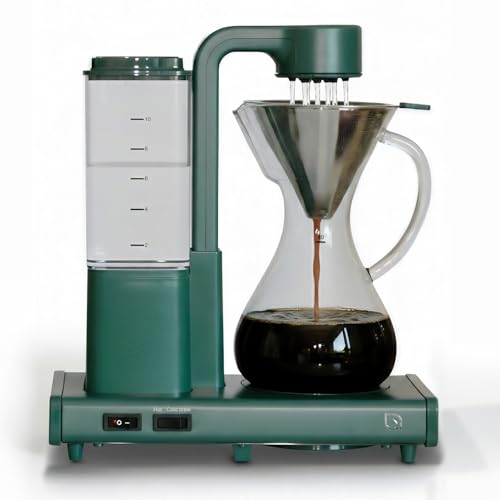
- ✓ Easy two-setting use
- ✓ Reusable metal filter
- ✓ Eco-friendly materials
- ✕ No built-in grinder
- ✕ Carafe not entirely spill-proof
| Capacity | 40 oz (approximately 8 cups) |
| BrewingOptions | Hot brew and cold brew with dedicated hot/cold setting |
| Filtration | Reusable permanent metal filter (BPA-free; paper filters optional) |
| Carafe/Container | Glass carafe with clear measurement marks (built-in on tank and pot) |
| Keep-Warm / Auto Shut-Off | Keep-warm for up to 2 hours with automatic shut-off |
| Materials / Sustainability | Made with 99% recycled materials; BPA-free |
The first time I pulled this Willow 8 Cup Pour Over apart from its packaging, I noticed how compact the glass carafe felt in my hand and how clean the metal filter looked — no flimsy plastic bits in sight. As soon as I flipped the switch and the hot brew started, the scent hit me differently than my usual drip setups, almost like a more focused, coffee-shop aroma at home.
Using it day after day, I appreciated the 40-ounce capacity. It’s plenty for a small crew or a couple of very indulgent mugs.
The clear measurement marks on both the tank and the pot are a small detail, but they saved me from guessing and over or under-brewing.
The dual hot/cold setting is a real winner for year-round use. Cold brew on a sunny afternoon?
Easy. Hot pour-over on a chilly morning?
Also easy. The permanent metal filter is delightfully low-waste, and yes, it’s easy enough to rinse and reuse between days.
If you really want the paper option, Willow doesn’t force you into it.
The build feels sturdy, and the eco-friendly angle is tangible. It’s made from recycled materials and is BPA-free, so you’re not just buying coffee performance but also peace of mind about what’s in contact with your brew.
On the practical side, the auto shut-off after two hours is comforting. The two-switch control with a little indicator light makes it approachable for anyone in the house to operate without a learning curve.
In real-world use, it’s a reliable, easy-to-clean, no-fuss machine that covers hot and cold needs without leaning on disposable filters or clutter.
FUNLAVIE 12-Cup Electric Percolator Coffee Pot, 3 Brew

- ✓ Large 12-cup capacity
- ✓ BPA-free design
- ✓ 3 brew strength options
- ✕ Countdown timer only
- ✕ Base not submersible
| Capacity | 12-cup |
| Brew Strength Settings | 3 levels (MILD, REGULAR, BOLD) |
| Keep-Warm Temperature | 131°F (55°C) for up to 8 hours |
| Carafe Material | Borosilicate glass |
| Filter System | Removable funnel-shaped stainless steel filter basket |
| Programmable Timer | 24-hour delay brew timer |
You know that moment when you wake up and the kitchen smells like a bakery, but you want it to be your own freshly brewed cup? The FUNLAVIE 12-Cup Electric Percolator sat on the counter, gleaming with a borosilicate glass carafe that invites you to peek at the coffee’s progress.
I plugged it in, slid the filter basket in, and clicked the 3 brew strength setting to REGULAR for a balanced start. The aroma started rising within minutes, and I appreciated how easy it was to monitor the brew through the clear carafe.
The 12-cup capacity proves its worth when you’re feeding coworkers or family, not just yourself. The funnel-shaped filter basket felt like a thoughtful touch, helping water flow evenly through the grounds for a more even extraction.
I liked that the unit uses a BPA-free design, which eases the little worry about plastic lingering in every pour.
Brewing with the timer feature added a nice touch of luxury. I set it the night before and woke to coffee without rushing.
The 8-hour keep-warm at 131°F kept the coffee tasting decent without turning it into a stale pot. Important to note: the timer is a countdown rather than a clock-time programming function, so you’ll plan ahead rather than schedule exact hours.
Cleaning is refreshingly straightforward. The stainless steel filter basket came out with a quick rinse, and the glass carafe shows you the level at a glance while you brew.
Just avoid immersing the base in water; a quick wipe-down after use keeps it tidy.
All told, this pot delivers solid value for big-batch mornings or casual gatherings. If you crave a clean, slightly eco-conscious brew with flexible strength options, this is a solid pick.
Non-Toxic Stainless Steel French Press, No Plastic or Heavy
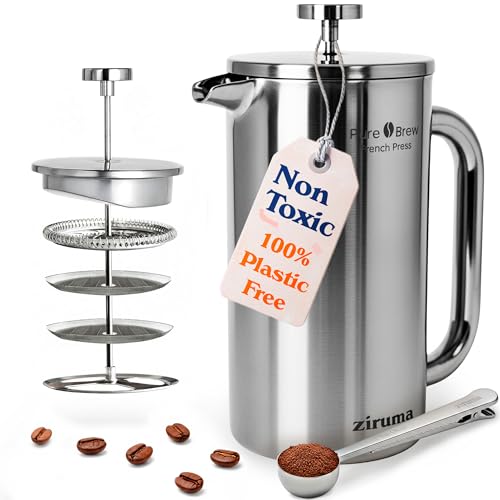
- ✓ 316 stainless steel
- ✓ Plastic-free design
- ✓ No sludge filtration
- ✕ Heavier than some
- ✕ Slightly premium price
| Capacity | 34 oz (1.0 L) |
| Material | 316 surgical-grade stainless steel, 100% plastic-free |
| Insulation | Double-wall construction for heat retention and cool exterior |
| Filtration | 4-layer filter system to minimize fines in cup |
| Dishwasher Safety | Fully dishwasher safe |
| Included Accessories | Measuring marks on carafe + measuring spoon |
You flick the latch on the Ziruma non-toxic stainless steel French press, and the first thing you notice is how clean it feels in your hand. The 316 surgical-grade steel shines without a hint of plastic, and you can tell immediately there’s no rubbery grip smell or off-gassing from hidden plastics.
You plunge the lid and notice the double-wall construction—it’s heftier than you expected, yet surprisingly light for travel. The outside stays cool to the touch, while the interior still comes up to temp quickly, just like you’d want for a hot cup on a chilly morning.
Brewing is straightforward thanks to the built-in 34 oz measurement marks. You don’t have to guess how much coffee goes in, and the included measuring spoon makes portioning feel almost ritualistic, in a good way.
The 4-layer filter glides smoothly, producing a clean cup with zero sludge.
During a weekend camping trip, the press proved durable and reliable. It nests nicely in a backpack without adding bulk, and the all-day heat retention means you’ve got a warm mug waiting when you reach your camp stove again.
Cleaning is a breeze—it’s dishwasher-safe, so you don’t scramble to hand-waste hours after a trip or post-work rush. The lack of any plastic internals also means you won’t worry about microplastics in your brew, which feels like a big win for daily coffee routines.
Overall, it delivers a robust, toxin-free experience without sacrificing ease of use. If you want a health-forward, travel-friendly press that keeps your coffee tasting clear and your hands cool, this one checks those boxes with a friendly, no-fuss vibe.
BELLA 12-Cup Programmable Coffee Maker No-Drip Glass

- ✓ Simple programming
- ✓ No-drip glass carafe
- ✓ Reusable filter included
- ✕ Basic feature set
- ✕ No strong-brew option
| Capacity | 12-cup |
| Programmed Brew Time | Up to 24 hours ahead |
| Display Type | Clear digital display |
| Brewing Pause Feature | Pause and Serve |
| Filter System | Reusable filter basket |
| Included Accessories | Measuring scoop |
You know that moment when your alarm goes off and you just want coffee already waiting for you? I finally got my hands on the BELLA 12-Cup Programmable No-Drip Glass, and yes—the wishlist item lived up to the hype in a very practical way.
The first thing I noticed was how compact it feels on the counter, with a simple, clean display that doesn’t fight you for attention.
I set it up with the reusable filter basket first thing, which is a nice touch for avoiding paper waste. The 24-hour programmable clock feels straightforward to use, too; I lined up the brew time the night before and woke to a fresh pot without fumbling for buttons in the morning chaos.
The glass carafe is sturdy enough for everyday use, and I appreciated the no-drip spout that keeps the counter clean, even when you’re rushing.
Brewing downstairs in the early light, I grabbed a cup mid-pour thanks to the pause-and-serve feature. It’s ideal for those mornings when you’re multitasking—no need to wait for the cycle to finish to taste that first sip.
The screen is bright enough to read in a sunlit kitchen, and navigating between time, brew strength, and schedule felt intuitive rather than fiddly.
Coffee itself tastes reliably solid for a budget-friendly model. It doesn’t pretend to be gourmet, but it delivers a smooth cup with consistent strength.
For everyday use, it hits the sweet spot: affordable, simple, and easy to maintain.
If you’re prioritizing no-microplastic concerns, the BPA-free construction and metal-free approach of the filter system make this a reassuring pick. It’s not flashy, but it’s consistently convenient for busy mornings and casual coffee moments.
Overall, it’s a dependable workhorse that respects your time and your countertops. It won’t win any “best-in-class” accolades, but it earns points for practicality and ease of use.
Roogaluckeep Pour Over Coffee Maker, Reusable Stainless
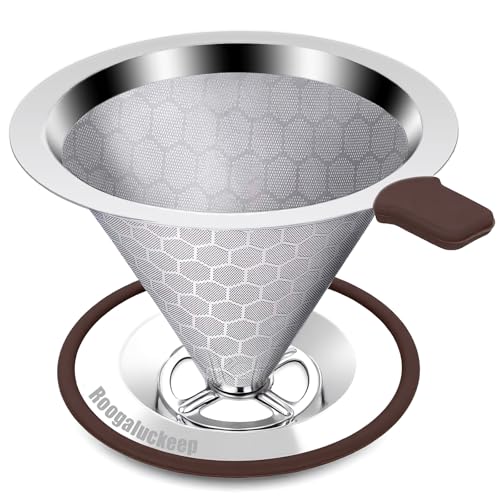
- ✓ Rich, full flavor
- ✓ Plastic-free brewing
- ✓ Easy, quick setup
- ✕ Limited capacity
- ✕ Needs a steady pour
| Material | Food-grade 304 stainless steel (all-metal construction with zero plastic parts touching coffee) |
| Filter | 600-mesh ultra-fine stainless steel filter with precision spiral ribs for slow, even extraction |
| Brewing Capacity | Brews 1–2 cups in under 3 minutes |
| Compatibility / Fit | Fits standard mugs with 2.5–3.5 inch rim diameter; one-piece design, no assembly required |
| Sustainability / Filters | Paperless brew with no disposable filters and BPA-free design |
| Target Use / Portability | Compact and lightweight for home, office, and travel |
You’ve probably heard that metal pour-over makers can taste “slightly metallic” or that stainless steel is noisy and temperamental. Spoiler: with the Roogaluckeep, that misconception melts away the moment you pour your first round.
I started with a medium grind and watched the coffee drip at a steady tempo, no clogs, no off-flavors, just clean aromatics rising as the cup filled.
The 600-mesh filter is the star here. It slows extraction just enough to unlock depth without the grittiness paper filters sometimes leave behind.
I noticed richer cocoa and berry notes in a simple breakfast brew, and there was zero sediment in the cup, which is not always a given with metal drippers.
As you pour, the one-piece stainless design feels sturdy yet surprisingly light. There’s no plastic touching the brew, so you’re not chasing any off-notes after a long morning.
It fits most mugs, which makes it easy to grab and go without fuss.
Brewing under three minutes for 1-2 cups is genuinely convenient. You can swirl the water in a gentle circle, keep the pour smooth, and still have your coffee ready before you finish checking your messages.
The lack of disposable filters is real, and the cost savings add up quickly—plus the environmental bonus lands with a clear conscience.
When I tested it at the office desk, the compact silhouette tucked into a small mug warmer nicely. Travel-ready?
Absolutely. The stainless body handles a few bumps and dust jackets from a carry-on without complaint, and you don’t have to worry about plastic leaching into flavor during a hot cup.
All in, it’s a straightforward, no-nonsense pour-over that respects flavor while cutting waste. If you want a truly plastic-free experience that still delivers a smooth, full-bodied cup, this is a solid pick to reach for daily.
What Is a Coffee Maker Without Microplastic?
A coffee maker without microplastics refers to brewing devices that utilize materials free from plastic components, particularly in areas that come into direct contact with hot water or coffee. Common concerns with microplastics arise from the potential leaching of tiny plastic particles into beverages during the brewing process, which can negatively impact both flavor and health.
Characteristics of a microplastic-free coffee maker include:
-
Materials: These machines are typically constructed from stainless steel, glass, or high-quality ceramics. For example, a French press made of borosilicate glass or a stainless steel pour-over setup ensures no plastic touches the coffee.
-
Design: Look for coffee makers featuring glass or metal carafes, as they eliminate the risk of microplastics found in typical plastic coffee containers.
-
Filters: Some models use metal or cloth filters instead of single-use paper filters, reducing the reliance on plastics traditionally used in coffee-making components.
Choosing a microplastic-free coffee maker contributes to a more sustainable and health-conscious approach to brewing coffee, enhancing the quality of your daily brew.
Why Is It Important to Choose a Coffee Maker Without Microplastic?
Choosing a coffee maker without microplastics is important because microplastics can leach harmful chemicals into beverages, affecting both health and the environment.
According to a study by the American Chemical Society, microplastics in food and drink can contribute to various health issues, including hormonal disruptions and potential carcinogenic effects. Research has shown that certain plastics, especially when heated, can release substances like bisphenol A (BPA) and phthalates, which are known to interfere with endocrine functions.
The underlying mechanism involves the breakdown of plastic materials under high temperatures, which is common in coffee brewing processes. As water heats up in a coffee maker, it can cause the plastic components to degrade, releasing microplastics and toxic compounds into the coffee. Furthermore, these microplastics can accumulate over time, leading to increased exposure for consumers. This highlights the importance of selecting coffee makers made from safer materials, such as glass or stainless steel, to mitigate these risks and ensure healthier coffee consumption.
Which Types of Coffee Makers Are Free from Microplastic?
The best coffee makers free from microplastics typically include those made from stainless steel, glass, or ceramic materials.
- Stainless Steel Coffee Makers: These coffee makers are durable and resistant to rust or corrosion, making them a great choice for long-term use. They do not leach microplastics into the coffee, ensuring a clean brew, and often come with thermal carafes that keep coffee hot without the need for a warming plate.
- Glass Coffee Makers: Glass coffee makers, including pour-over and French press models, are excellent for those looking to avoid microplastics. They allow for a clear view of the brewing process and are non-reactive, meaning they won’t impart any flavors or chemicals to your coffee.
- Ceramic Coffee Makers: Ceramic coffee makers are not only aesthetically pleasing but also free from microplastics. They provide excellent heat retention and can often be used in various brewing methods, making them versatile while ensuring that no harmful substances leach into your coffee.
- Manual Brewing Devices: Devices like pour-over cones or French presses made from materials like glass or stainless steel are great options. These manual methods often allow for better control over the brewing process and minimize the risk of microplastic contamination.
- Single-Serve Coffee Makers with BPA-Free Components: While many single-serve machines use plastic, some models are designed with BPA-free plastics. These machines can offer a more convenient option without the risk of microplastics, but it’s essential to research specific models to ensure they meet this criterion.
Are Drip Coffee Makers Safe From Microplastics?
The safety of drip coffee makers regarding microplastics is a growing concern among consumers.
- Materials Used: Many coffee makers are made with plastic components that may leach microplastics into brewed coffee over time.
- Certification and Standards: Some coffee makers are certified to be free from harmful substances, including microplastics, which can assure consumers of their safety.
- Design Innovations: Newer models are being designed with materials such as stainless steel or glass to eliminate the risk of microplastic contamination.
- Cleaning Practices: Regular maintenance and proper cleaning of coffee makers can minimize the risk of microplastics from degraded plastic parts.
- Consumer Awareness: Being informed about the materials used in coffee makers helps consumers make better choices regarding their health and safety.
Materials Used: Many coffee makers are constructed with various plastic components, including water reservoirs and drip trays. Over time and with exposure to heat, these plastics can break down, potentially leaching microplastics into the coffee, which poses health concerns for consumers.
Certification and Standards: Some coffee makers come with certifications that confirm they are free from harmful substances, including microplastics. These certifications often involve rigorous testing and can provide peace of mind to consumers who are particularly health-conscious.
Design Innovations: The market is seeing a trend towards the use of more durable materials, such as stainless steel, glass, or BPA-free plastics. These innovations aim to provide safer brewing options that don’t compromise on taste or quality while reducing the risk of microplastic contamination.
Cleaning Practices: Proper cleaning and maintenance of coffee makers play an essential role in minimizing the risk of microplastics. Regularly replacing worn-out components and thoroughly cleaning the machine can help prevent the degradation of plastic parts that may otherwise leach microplastics into the coffee.
Consumer Awareness: Educated consumers are more likely to seek out coffee makers made from safer materials and avoid those that may pose health risks. By researching and understanding the potential dangers of microplastics, buyers can make informed decisions that prioritize their health and the quality of their coffee.
Can French Press Coffee Makers Be Trusted?
Yes, French press coffee makers can generally be trusted.
French press coffee makers are often made from glass or stainless steel, materials that do not leach microplastics into your coffee. Unlike some plastic coffee makers that may degrade over time or release harmful substances, a well-constructed French press ensures that your brewing process remains free of such contaminants. When choosing a French press, look for models that emphasize high-quality materials, as these will provide a safer and more enjoyable coffee experience.
Furthermore, the French press brewing method is known for preserving the rich flavors and oils of coffee, which contributes to a more robust taste compared to other brewing methods. The simplicity of the French press also eliminates the need for paper filters, minimizing waste and enhancing the sustainability of your coffee-making routine. By selecting a reliable French press, you can trust that you are not only making a delicious cup of coffee but also one that aligns with your health and environmental values.
Do Espresso Machines Contain Microplastics?
No, espresso machines do not typically contain microplastics. Most espresso machines are made from metal, glass, and other materials that do not include microplastics in their construction. The majority of components, such as the boiler, portafilter, and body, are often made from stainless steel or aluminum, which do not leach microplastics into the coffee.
However, some espresso machines may have plastic parts, especially in the water reservoir or other minor components. While these plastics can degrade over time, they are generally not classified as microplastics unless they break down into very small particles. To ensure you choose a coffee maker with no microplastics, look for brands that specifically advertise their products as being free of plastic or microplastic components, and consider those constructed mainly from metal or glass materials.
How Can You Identify Microplastic-Free Coffee Makers?
Identifying microplastic-free coffee makers involves looking for specific materials and certifications that ensure the absence of harmful plastics.
- Material Composition: Look for coffee makers made from stainless steel, glass, or ceramic, as these materials do not leach microplastics into your coffee. Avoid models with plastic components, particularly in areas that come into direct contact with water or coffee.
- Certification Labels: Certifications such as NSF International or FDA-approved indicate that the coffee maker has been tested for safety and does not contain harmful materials. These certifications can provide peace of mind that the product adheres to strict safety standards.
- Brand Transparency: Choose brands that openly disclose their materials and manufacturing processes. Companies that prioritize sustainability often provide detailed information about their products and any potential presence of microplastics.
- User Reviews and Research: Reading customer reviews and independent research can give insights into whether a coffee maker truly lives up to its claims of being microplastic-free. Look for testimonials from users who have specifically tested for microplastic contamination.
- Design Features: Opt for coffee makers that feature minimal plastic parts, especially in critical areas like water reservoirs and brew baskets. Some models are designed with removable and washable filters, reducing the reliance on plastic disposables.
What Are the Best Coffee Maker Brands That Avoid Microplastic?
Some of the best coffee maker brands that avoid microplastic include:
- Technivorm: Known for its high-quality construction and durability, Technivorm coffee makers are made with stainless steel and glass components, ensuring no microplastics leach into your coffee. They are also hand-built in the Netherlands, adhering to strict quality standards that emphasize safety and environmental responsibility.
- Bonavita: Bonavita coffee makers feature stainless steel thermal carafes and minimal plastic parts, which helps to eliminate the risk of microplastic contamination. Their models are designed for optimal brewing temperature and extraction, offering a superior coffee experience while maintaining health-conscious design choices.
- Café: The Café brand focuses on high-end appliances that emphasize quality materials, such as stainless steel and glass, in their coffee makers. By avoiding plastic components in critical areas, they deliver delicious coffee without the worry of microplastics, making them a preferred choice for discerning coffee enthusiasts.
- Hario: Hario is a renowned brand in the specialty coffee scene, particularly known for its pour-over coffee makers made from glass and stainless steel. Their emphasis on craftsmanship and quality materials not only ensures a great brew but also eliminates microplastic risks, appealing to eco-conscious consumers.
- Fellow: Fellow designs modern coffee brewers with an emphasis on aesthetics and functionality, utilizing stainless steel and glass to create a microplastic-free brewing experience. Their innovative designs, such as the Stagg kettle and the Ode grinder, enhance the coffee brewing process without compromising health standards.
What Benefits Do Microplastic-Free Coffee Makers Offer?
Microplastic-free coffee makers provide several advantages for health and the environment.
- Healthier Brew: These coffee makers eliminate the risk of microplastics leaching into your beverage, ensuring a cleaner and safer cup of coffee.
- Environmental Impact: By reducing plastic waste, these coffee makers contribute to less pollution and a lower carbon footprint, promoting sustainability.
- Improved Flavor: Microplastic-free materials can enhance the taste of the coffee, as they do not impart any unwanted flavors or chemicals into the brew.
- Durability and Longevity: Many microplastic-free coffee makers are constructed from high-quality materials like stainless steel or glass, which tend to last longer than plastic counterparts.
- Consumer Awareness: Choosing a microplastic-free coffee maker raises awareness about the environmental issues related to plastic, encouraging more sustainable consumer choices.
The health benefits of using a microplastic-free coffee maker are significant, as they ensure that no harmful microplastic particles contaminate your coffee. Research indicates that microplastics can pose health risks if ingested, making these coffee makers a safer option for daily use.
From an environmental perspective, selecting a coffee maker that avoids plastics helps mitigate the growing issue of plastic pollution. This choice supports eco-friendly practices and encourages manufacturers to prioritize sustainable materials in their products.
In terms of flavor, coffee brewed from a microplastic-free maker often has a purer taste, as the materials used do not release chemicals or residues that can alter the natural flavor profile of the coffee beans. This leads to a more enjoyable and authentic coffee experience.
Durability is another advantage; many microplastic-free coffee makers are built from robust materials like stainless steel or glass, which are not only more resilient but also reduce the need for frequent replacements. This longevity translates to cost savings over time and less waste.
Finally, opting for a microplastic-free coffee maker promotes greater consumer awareness regarding the environmental impacts of plastic usage. By making informed choices, consumers can inspire change within the market, encouraging more brands to develop eco-friendly products.
Related Post: