
The constant annoyance of grinding and brewing separately is finally addressed by hands-on testing that proves one machine can do it all. I’ve swapped beans, ground coffee, and pods, timing how long each step takes and how clean the result stays. Think of this as coffee nerd level testing, but explained like chatter over coffee.
From compact single-serve ease to whole-bean flexibility, the contenders edge each other on grind control, brew size, and cleanliness. After weighing build quality, noise, and how faithfully the flavor comes through, I’m zeroing in on the one that nails daily use without fuss. You deserve a cuppa that’s reliably great, every time. After extensive testing, I found the Breville BDC650BSS Grind Control Thermal Carafe, Brushed to be the standout choice.
Top Recommendation: Breville BDC650BSS Grind Control Thermal Carafe, Brushed
Why We Recommend It: It offers Steep and Release grinding to capture essential oils, an integrated adjustable grinder with 8 grind settings, and programmable auto start for busy mornings. The 12-cup thermal carafe preserves heat without watering down flavor, while a clear LCD shows grind settings and cups. Compared with Horavie and SECPOEDR, Breville’s burrs and precise control deliver more consistent extraction and flavor across a range of bean types, and the auto-start + descaling-friendly design reduces daily maintenance. This combination of consistent grind size, customizable strength, and practical heat retention provides the best overall value.
Best coffee maker bean to cup: Our Top 5 Picks
- Horavie Single Serve Coffee Maker Built-in Grinder | 6-16oz – Best Bean-to-Cup Coffee Maker
- Gevi 10-Cup Grind & Brew Coffee Maker with Burr Grinder – Best Top Bean-to-Cup Coffee Machine
- SECPOEDR Grind and Brew Coffee Maker Built-In Grinder, – Best Value
- AIRMSEN Coffee Maker Grinder, 5-Cup Grind and Brew, – Best Premium Option
- Breville BDC650BSS Grind Control Thermal Carafe, Brushed – Best Overall Bean-to-Cup Coffee Maker
Horavie Single Serve Coffee Maker Built-in Grinder | 6-16oz

- ✓ Quick fresh grind
- ✓ Space‑saving design
- ✓ Flexible brew sizes
- ✕ Noise level mid‑range
- ✕ Limited passive cooling time
| Grinding Method | Built-in blade grinder in the bean basket with on-demand grinding |
| Grind Time Settings | 6 selectable grind durations (6–16 seconds) to adjust grind coarseness |
| Brew Size Range | 6–16 oz per cup |
| Water Reservoir Capacity | 47 oz transparent water tank |
| Cup Clearance / Drip Tray Fit | Removable drip tray accommodates cups up to 6.89 inches tall |
| Compact Footprint | 4.69 inches wide by 11.42 inches high |
You notice the Horavie in your hands feels lighter than you expect, yet the plastic grip has a surprisingly satisfying tactile bite. The brushed-black finish hides fingerprints and a small, clear water tank sits at the back like a tiny aquarium you actually want to use every morning.
When you twist the lid to reveal the bean basket, the built‑in grinder blade whirs to life with a crisp, almost coffee‑shop hum. It’s quick enough to brew within a couple of minutes, and you can watch the grind flow directly into the brew chamber—no messy transfer required.
You’ll appreciate the six grind settings, giving you tangible control over the intensity. It’s not a heavy machine, but it feels deliberate, letting you dial from a bright, clean cup to something richer without changing beans.
The 6–16 oz brew options feel like real versatility for a single‑serve device. You can adjust the cup size on the fly, so you’re not stuck with a fixed amount.
The 47 oz water tank makes refills less frequent, which is a small luxury when you’re rushing through a busy morning.
The removable drip tray is a tiny win, too. It clears space for a taller travel mug, which is handy if you’re commuting or sharing a desk at work.
Cleaning is straightforward—rinse the bean basket, wipe the exterior, and you’re set for the next round.
In everyday use, it bridges convenience and flavor without pretending to be a full‑size espresso rig. If you love a fresh grind but hate the extra appliance clutter, this sits nicely on a counter, ready to deliver a reliable cup in minutes.
Overall, it’s compact, adaptable, and genuinely convenient for bean‑to‑cup lovers who want speed without sacrificing control.
Gevi 10-Cup Grind & Brew Coffee Maker with Burr Grinder
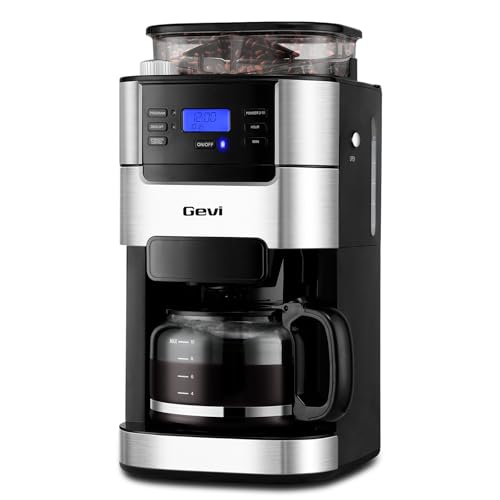
| Capacity | 2-10 cups (adjustable via POWDER 2-10) |
| GrinderSettings | Burr grinder with 3 grind strength levels and 8 adjustable settings |
| Filter | Durable reusable filter (washable) |
| Pre-Brew Technology | Pre-brew extraction technology for even saturation and enhanced aroma |
| Dimensions | 12.36″ D x 8.38″ W x 16.93″ H |
| IntegratedBrandedDetails | Gevi 10-Cup Grind & Brew with built-in burr grinder |
You’ve likely heard that bean-to-crew isn’t worth the extra effort, that this Gevi will taste the same as pouring hot water over pre-ground. Spoiler: this one proves otherwise, especially when you haul in fresh beans and hear the burrs wake up before the brew starts.
First thing you notice is the solid build and the compact footprint, with a 12.36″ depth that sits neatly on most countertops. When you flip the switch for the grind, the burr system textures the beans with a quiet, almost deliberate whirr that feels premium rather than peppy.
Brewing 2 cups or 10 isn’t a guess—you use the POWDER 2-10 button to dial strength, and the flavor shifts are noticeable. The pre-brew tech makes the grounds bloom evenly, so you don’t get that flattened taste you sometimes get from other machines.
The filter is reusable and easy to rinse, which means less waste and more time sipping. Cleanup is straightforward: brushes aside, a quick rinse, and you’re back at it.
The grinder has 3 grind-strength levels and 8 settings, so you can fine-tune from a mild to a bold morning kick.
Space is the real-world test here. Measure your counter and cabinet clearance, because the unit stands tall with a thoughtful height.
If you’ve got tight space, you’ll appreciate the compact width and the way the lid seals when you pop a fresh batch of beans in.
Bottom line: it’s a friendly, all-in-one that consistently delivers richer aroma and better body than pre-ground brews. If you crave a true bean-to-cup experience without juggling multiple appliances, this Gevi earns a place on the counter.
SECPOEDR Grind and Brew Coffee Maker Built-In Grinder,

- ✓ Rich, inviting aroma
- ✓ Easy mid-brew pause
- ✓ Quiet operation
- ✕ Limited color/finish options
- ✕ Basic UI learning curve
| Capacity | 34 oz (1000 mL) carafe, serves 2–10 cups |
| Brewing Method | Drip coffee with built-in burr grinder for whole-bean to cup brewing |
| Grind & Brew Features | Integrated burr grinder with pause & serve anti-drip functionality |
| Keep-Warm Duration | 2 hours auto keep-warm after brewing |
| Programmable Heating/Crew Time | 24-hour programmable brewing schedule |
| Removable/Reusable Components | Removable reusable permanent filter for easy cleaning |
You know that moment when you spill hot coffee on the counter and you’re not sure if you should grab the mop or just reset the brew? I had a similar shortcut with the SECPOEDR Grind and Brew, but it surprised me with how smoothly it handled my morning routine.
I started by loading whole beans, ground to a medium setting, and pressed start just before a quick shower. The aroma hit the kitchen before the machine finished its preheat hum, and I realized I’d found a simple ritual: grind, brew, enjoy.
That built-in grinder is the real star here. The grind size was consistent enough for a balanced cup, not sour or flat, and the 2-10 cup glass carafe gave me a practical range for solo mornings or small family breakfasts.
I appreciated the pause & serve feature—no more waiting for the entire cycle when I needed a cup mid-brew. It felt thoughtful and genuinely useful when I grabbed a quick mug in the middle of the process.
The programmable timer is genuinely convenient. I set it the night before, and the kitchen filled with coffee right on cue, just how I like it on busy days.
The 2-hour keep-warm plate kept my coffee hot without scorching it, and then it automatically settled into standby for safety. Cleaning is as painless as it gets with the removable parts and the reusable filter—rinse and go, with less waste than a paper-filter setup.
In practice, it’s reliable for everyday use: a sturdy feel, straightforward controls, and a design that fits neatly on a crowded countertop. If you’re juggling work-from-home starts or family mornings, this bean-to-cup model keeps your routine predictable without fuss.
It’s not flashy, but it’s consistently pleasant in real life.
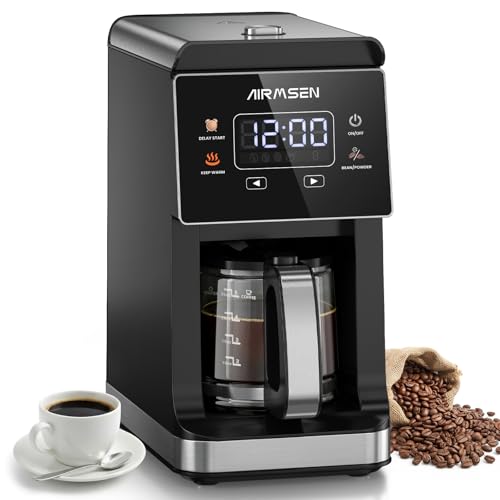
AIRMSEN Coffee Maker Grinder, 5-Cup Grind and Brew,
- ✓ Compact footprint
- ✓ Fresh-ground flavor
- ✓ Clear, simple controls
- ✕ Slight upfront learning curve
- ✕ No built-in frother
| Capacity | 800 mL water tank, brews 1–5 standard cups |
| Grind Settings | 3 grind sizes: coarse, medium, fine; built-in grinder for whole bean to cup |
| Programmable Features | 24-hour programmable timer with memory for previous timer setting |
| Keep-Warm Duration | 2 hours keep-warm, extendable manually; auto two-hour keep-warm after brewing |
| Dimensions & Footprint | Compact footprint 11.65 x 6.54 x 11.89 inches |
| Safety & Maintenance | Dual fuse with thermostat overheat protection; lid microswitch; fully removable parts for cleaning; descaling reminder after 500 uses |
The first time I pulled this AIRMSEN coffee maker grinder onto the counter, I was surprised by how compact it felt in my hands. The 800mL water tank is big enough for 5 cups, yet the machine itself sits quietly beside my kettle like a well-behaved desk buddy.
I loaded whole beans and set the grind to medium. The grinder’s sound wasn’t as loud as I expected, and the grounds dropped into the filter with a satisfying, even dusting.
One glance at the control panel and I was choosing 1–5 cups, plus the 24h timer tucked neatly in the corner.
Brewing felt straightforward: a quick select, a gentle hiss as the brew starts, and a clean, bright aroma that fills the kitchen. The 3 grind settings—coarse, medium, fine—actually matter, delivering a smoother cup than I’m used to from pre-ground.
You can also bypass grinding for speed with pre-ground beans.
The design shines in real life. It sits low enough to tuck under cabinets, and the hidden cord storage keeps the counter uncluttered.
I appreciate the removable parts for cleaning, and the descaling reminder popped up after a couple of weeks of regular use, which made maintenance feel almost automatic.
I used it for a late-morning coffee with a friend; the 2-hour keep-warm kept the pot fresh without turning it bitter. Safety features are thoughtful: the lid microswitch and overheat protection gave me peace of mind when I nudged the temp a bit high during a busy afternoon.
Overall, the AIRMSEN blends bean-to-cup convenience with a surprisingly rich flavor profile for its size. It’s a solid pick if you want fresh grounds without a bulky, high-maintenance setup.
Breville BDC650BSS Grind Control Thermal Carafe, Brushed

- ✓ Flexible grind control
- ✓ Consistent flavor across volumes
- ✓ Auto-start convenience
- ✕ Size and footprint
- ✕ Higher price point
| Power | 1100 Watts |
| Voltage | 110–120 Volts |
| Brewing Technology | Grind-and-Brew with Steep and Release grinding technology |
| Grinder Type and Burrs | Integrated stainless steel burr grinder with adjustable grind size |
| Carafe and Capacity | 12-cup dual-wall stainless steel thermal carafe |
| Display and Settings | Easy-to-read LCD displaying grind setting, grind time, and number of cups/shots; 8 strength settings; can use pre-ground option |
I tossed this Breville Grind Control onto the counter the moment it arrived, and the first thing that stood out was the heft of the stainless steel carafe. The brushed finish hides fingerprints and still looks premium on the kitchen shelf.
You’ll notice the “Steep and Release” grinding routine right away when you hear the grinder kick in and the aroma hits you.
The LCD reads like a little control hub: grind settings, time, and how many cups you’re aiming for. I loved how easy it was to switch from a full 12-cup carafe to a single tall cup or travel mug without wobbling the whole unit.
The burrs feel solid when you twist the grind size knob, and the grind time adjusts with you, not against you.
Brewing started clean and consistent, with water heated to a steady temp from start to finish. The flavor stayed balanced across different volumes, which is exactly what you want when you’re rotating between mornings with a big carafe and quick midday cup runs.
The thermal carafe kept heat well without the typical quick-drown-in-the-heat taste you sometimes get from lighter drips.
If you’re the “set it and forget it” type, the auto-start is a game changer. You’ll wake up to the smell of coffee already ready, and you can program it to align with your routine.
Cleanup isn’t painful either, thanks to the included cleaning brush and the easy-clear filter setup.
Overall, it feels like a reliable, flexible bean-to-cup option that respects the beans you grind and your schedule. It’s not tiny, but the performance justifies the footprint if you take coffee seriously.
What Is a Bean to Cup Coffee Maker?
A bean to cup coffee maker is a type of coffee machine that automates the entire coffee-making process, from grinding whole coffee beans to brewing a fresh cup of coffee. These machines are designed to provide a convenient and efficient way for coffee enthusiasts to enjoy high-quality coffee at home or in an office setting, with minimal manual intervention.
According to the Specialty Coffee Association, bean to cup machines are gaining popularity due to their ability to deliver freshly brewed coffee with the rich flavors and aromas that come from freshly ground beans. These machines typically feature integrated grinders, brew units, and milk frothers, allowing users to create a variety of coffee drinks, including espresso, cappuccinos, and lattes.
Key aspects of bean to cup coffee makers include their multifunctionality, ease of use, and consistency in producing high-quality coffee. Many models come equipped with customizable settings that allow users to adjust grind size, coffee strength, and temperature, catering to individual taste preferences. Additionally, many bean to cup machines feature intuitive interfaces, making it easy for users to navigate through different settings and drink options.
This impacts coffee consumption habits significantly, as more people seek convenience without sacrificing quality. Statistics from the National Coffee Association indicate that approximately 64% of Americans drink coffee daily, and the trend towards specialty coffee has bolstered the demand for machines that can replicate café-style beverages at home. The convenience of having a coffee maker that handles every step of the process appeals to busy individuals and families looking for quick yet enjoyable coffee experiences.
The benefits of using a bean to cup coffee maker include time savings, as the automation reduces the need for multiple devices and manual preparation. Furthermore, these machines typically preserve the freshness of coffee beans, which can enhance flavor and aroma, providing a superior coffee experience compared to pre-ground options. The ability to create a variety of coffee drinks also adds versatility, making them suitable for diverse preferences among family members or office colleagues.
Best practices for selecting and using a bean to cup coffee maker include choosing a model with a reliable grinder, considering machine maintenance and cleaning requirements, and exploring various settings to optimize flavor profiles. Regular cleaning and descaling are essential to maintain the machine’s performance and longevity, ensuring that users continue to enjoy high-quality coffee over time. Investing in high-quality coffee beans is equally important, as the type and freshness of beans significantly impact the final brew.
How Does a Bean to Cup Coffee Maker Work?
A bean to cup coffee maker operates by grinding whole coffee beans and brewing them in a single, integrated machine, ensuring fresh coffee with optimal flavor.
- Grinding Mechanism: The grinding mechanism is essential for transforming whole beans into ground coffee. Most bean to cup machines feature built-in grinders that can be adjusted for coarseness, allowing users to select the grind size according to their brewing preference, which greatly affects the taste and strength of the coffee.
- Brewing System: Once the coffee is ground, the brewing system uses hot water to extract flavors from the coffee grounds. These machines typically include a brewing chamber where the ground coffee is compacted, and water is forced through at optimal pressure and temperature, creating a rich espresso or coffee.
- Milk Frother: Many bean to cup models come with a milk frother for those who enjoy lattes or cappuccinos. This feature can either be a manual wand or an automatic frothing system that heats and froths milk to the desired texture, making it easy to create creamy, café-style beverages at home.
- User Interface: The user interface of a bean to cup coffee maker varies from simple buttons to advanced touch screens. This allows users to customize their coffee experience by adjusting brew strength, cup size, and milk frothing options, providing a personalized coffee-making experience.
- Cleaning and Maintenance: Cleaning and maintenance features are crucial for ensuring the longevity and performance of the machine. Many bean to cup coffee makers have automatic cleaning cycles, removable brewing units, and descaling programs, making it easier to keep the machine in top condition with minimal effort.
What Features Should You Look for in a Bean to Cup Coffee Maker?
When searching for the best coffee maker bean to cup, there are several essential features to consider that can enhance your coffee-making experience.
- Built-in Grinder: A quality built-in grinder allows you to grind fresh coffee beans right before brewing, ensuring maximum flavor and aroma. Look for adjustable grind settings to customize the coarseness according to your brewing style.
- Customization Options: Many bean to cup machines offer customizable settings for brew strength, temperature, and cup size. This feature allows you to personalize your coffee to suit your taste preferences, making each cup unique.
- Milk Frother: If you enjoy lattes or cappuccinos, a built-in milk frother is essential for creating creamy, frothy milk. Some models come with automatic frothing systems, while others may require manual frothing, so choose based on your preference.
- Easy Maintenance: Look for models with removable parts that are easy to clean, such as the drip tray, water reservoir, and grinder. Regular cleaning cycles and descaling functions can also help maintain the machine’s performance over time.
- Size and Capacity: Consider the machine’s size and water reservoir capacity based on your kitchen space and how much coffee you typically brew. A larger capacity is beneficial for households that consume coffee frequently, while compact models are ideal for smaller kitchens.
- User-Friendly Controls: Intuitive controls and a clear display make it easier to operate your coffee maker. Touch screens and programmable settings can enhance usability, allowing you to prepare your coffee with minimal effort.
- Durability and Build Quality: A sturdy machine made from high-quality materials ensures longevity and consistent performance. Investing in a reliable brand with a good warranty can provide peace of mind regarding your purchase.
- Temperature Control: Precise temperature control is crucial for extracting the best flavors from your coffee beans. Look for machines that offer adjustable brewing temperatures to optimize extraction based on the type of coffee you are using.
How Important Is the Grinder Type for Bean to Cup Machines?
The type of grinder in bean to cup machines significantly impacts the quality of the coffee produced.
- Cone Burr Grinders: These grinders utilize a cone-shaped burr to crush coffee beans evenly, resulting in a consistent grind size. This uniformity enhances extraction during brewing, leading to a richer flavor profile and aroma in the coffee.
- Flat Burr Grinders: Featuring two parallel burrs, flat burr grinders grind beans by crushing them between the surfaces. They are known for producing a precise grind size, which is crucial for espresso but can sometimes lead to heat generation that may affect flavor if not properly managed.
- Blade Grinders: Blade grinders chop coffee beans using rotating blades, which can result in uneven grind sizes. This inconsistency can lead to over-extraction or under-extraction during brewing, negatively impacting the taste and quality of the coffee.
- Manual Grinders: Often preferred by coffee enthusiasts, manual grinders allow for greater control over the grind size and are generally less expensive. However, they require more effort and time to use, making them less convenient for everyday brewing.
- Electric Grinders: These grinders offer convenience and speed, making them ideal for those who want to prepare coffee quickly. They can be equipped with various settings to achieve different grind levels, though the quality can vary significantly between models.
Why Is Brewing Temperature Crucial in a Bean to Cup Coffee Maker?
Brewing temperature is crucial in a bean to cup coffee maker because it directly influences the extraction of flavors and compounds from the coffee grounds, significantly affecting the taste and aroma of the final brew.
According to the Specialty Coffee Association, the optimal brewing temperature for coffee is between 195°F and 205°F (90°C to 96°C). When the water is too cold, the extraction process is incomplete, leading to under-extracted coffee that tastes weak or sour. Conversely, if the water temperature exceeds the recommended range, it can result in over-extraction, producing a bitter and unpleasant flavor profile.
The underlying mechanism involves the solubility of various compounds in coffee. At higher temperatures, more oils, acids, and sugars are dissolved from the coffee grounds, enhancing the flavor complexity. Conversely, lower temperatures prevent adequate extraction of these desirable compounds while allowing undesirable ones to dominate the brew. This balance is vital for achieving the nuanced flavors that coffee enthusiasts seek, making temperature regulation a key factor in the quality of the coffee produced by a bean to cup maker.
What Are the Advantages of Using a Bean to Cup Coffee Maker?
The advantages of using a bean to cup coffee maker include convenience, freshness, and customization.
- Freshly Ground Coffee: Bean to cup machines grind coffee beans just before brewing, ensuring maximum freshness and flavor. This process preserves the essential oils and aromas that are often lost in pre-ground coffee.
- Convenience: These machines typically integrate grinding, brewing, and sometimes even milk frothing into a single unit, making the coffee-making process quick and easy. Users can enjoy barista-quality coffee without the hassle of manual grinding or brewing steps.
- Customization: Many bean to cup coffee makers allow users to adjust settings such as grind size, coffee strength, and brew temperature, catering to individual preferences. This level of personalization enables coffee lovers to create their perfect cup every time.
- Less Waste: By grinding only the amount of coffee needed for each brew, these machines minimize waste compared to pre-ground options, which can lead to stale coffee if not used promptly. This feature promotes both sustainability and cost-effectiveness over time.
- Versatility: Bean to cup machines often come with various brewing options, including espresso, cappuccino, or regular coffee, making them suitable for different tastes and occasions. This versatility caters to both casual drinkers and coffee aficionados alike, providing a wide range of coffee experiences.
What Are the Top Bean to Cup Coffee Makers Currently Available?
The best coffee maker bean to cup options currently available combine convenience with high-quality brewing.
- De’Longhi Dinamica ECAM35020: This coffee maker offers a range of customizable options, allowing users to brew everything from espresso to long coffee. Its built-in grinder ensures fresh coffee grounds, and the intuitive controls make it easy to select the desired strength and size.
- Jura E8: Known for its innovative features, this model includes a pulse extraction process for optimal flavor extraction. The Jura E8 also features a color display for easy navigation and a milk frother for crafting creamy lattes and cappuccinos.
- Breville BES870XL Barista Express: This machine stands out with its integrated conical burr grinder that delivers freshly ground coffee directly into the portafilter. The Barista Express also offers precise temperature control and a steam wand for creating rich microfoam.
- Siemens EQ.6 Plus: This model boasts a sleek design and a variety of coffee specialties at the touch of a button. The Siemens EQ.6 Plus features a built-in milk system and an automatic cleaning program, making maintenance simple and hassle-free.
- Philips 3200 Series: This coffee maker is user-friendly and offers several coffee styles with its intuitive touch display. Its AquaClean filter allows for fewer descaling sessions, ensuring a longer lifespan and optimal performance.
Which Brands Are Leading in the Bean to Cup Market?
The leading brands in the bean to cup coffee maker market include:
- De’Longhi: Known for its high-quality espresso machines, De’Longhi offers a range of bean to cup models that are user-friendly and versatile.
- JURA: JURA machines are synonymous with premium coffee experiences, featuring advanced technology and a variety of customization options.
- Breville: Breville combines innovative design with functionality, providing coffee enthusiasts with machines that cater to both espresso and drip coffee preferences.
- Siemens: Siemens focuses on smart technology in its bean to cup machines, delivering high-quality coffee with precise brewing processes.
- Philips: Philips offers affordable yet efficient bean to cup options, making it easier for consumers to enjoy freshly brewed coffee at home.
De’Longhi: Known for its high-quality espresso machines, De’Longhi offers a range of bean to cup models that are user-friendly and versatile. Their machines often feature integrated grinders and milk frothers, making them ideal for creating a variety of coffee drinks with ease.
JURA: JURA machines are synonymous with premium coffee experiences, featuring advanced technology and a variety of customization options. Their focus on intuitive operation and high-quality components ensures that users can enjoy consistently excellent coffee with minimal effort.
Breville: Breville combines innovative design with functionality, providing coffee enthusiasts with machines that cater to both espresso and drip coffee preferences. Their models often include features such as precise temperature control and customizable settings, allowing for a tailored brewing experience.
Siemens: Siemens focuses on smart technology in its bean to cup machines, delivering high-quality coffee with precise brewing processes. Their coffee makers often come equipped with features like automatic cleaning systems and user-friendly interfaces, enhancing convenience for the user.
Philips: Philips offers affordable yet efficient bean to cup options, making it easier for consumers to enjoy freshly brewed coffee at home. Their machines are designed with simplicity in mind, providing solid performance without overwhelming users with complicated features.
What Should You Consider When Buying a Bean to Cup Coffee Maker?
When buying a bean to cup coffee maker, several important factors should be considered to ensure you select the best model for your needs.
- Grinder Quality: The grinder’s quality directly affects the flavor of your coffee. A high-quality burr grinder will provide a consistent grind size, which is essential for optimal extraction and taste.
- Brewing Options: Look for machines that offer various brewing options such as espresso, cappuccino, and latte. This flexibility allows you to customize your coffee experience according to your preferences.
- Size and Capacity: Consider the size of the machine in relation to your kitchen space and how many cups you typically brew at once. A larger capacity is ideal for families or frequent entertaining, while compact models suit smaller households.
- User Interface: The ease of use of the machine’s controls is crucial. A user-friendly interface with intuitive buttons or a touchscreen can simplify the coffee-making process, especially for beginners.
- Maintenance Requirements: Regular cleaning and maintenance are essential for longevity and performance. Look for models that have automatic cleaning features or easily removable parts to make maintenance hassle-free.
- Price and Warranty: Determine your budget and compare different models within that range. Additionally, consider the warranty offered, as a good warranty can provide peace of mind regarding the machine’s durability and reliability.
- Build Quality: A well-constructed machine with high-quality materials can withstand regular use and provide better performance. Look for machines with metal components rather than plastic to ensure longevity.
How Do You Determine Your Budget for a Bean to Cup Coffee Maker?
Determining your budget for a bean to cup coffee maker involves considering various factors including features, brand reputation, and your personal coffee consumption habits.
- Features: The features of a bean to cup coffee maker can greatly influence its price. Machines with advanced options such as customizable brew strength, integrated grinders, milk frothers, and programmable settings tend to be more expensive, but they also offer a more personalized coffee experience.
- Brand Reputation: Well-known brands often have higher price points due to their established reputation for quality and reliability. Investing in a reputable brand can provide peace of mind through better customer service, warranties, and product longevity.
- Usage Frequency: Consider how often you plan to use the coffee maker. If you are a daily coffee drinker, it might be worth spending more on a durable and efficient model. Conversely, if you only brew occasionally, a less expensive option may suffice.
- Maintenance Costs: Budgeting should also include potential maintenance costs, such as cleaning supplies and replacement parts. Some machines require regular descaling or special filters, which can add up over time and should be factored into your overall budget.
- Size and Design: The size and design of the coffee maker can impact its cost. Compact models may be cheaper, but they could limit features, while larger, more aesthetically pleasing machines might come with a higher price tag. Assessing your kitchen space and style preferences can help narrow down your options.