
Standing in pouring rain with an armful of pricey gear, I realized why a reliable home setup matters. I’ve tested every option here, from compact heat-up speed to true steam quality, so you don’t have to guess. You want consistent espresso, easy milk microfoam, and real value for daily coffee rituals.
From grind-to-shot control to dose consistency, the standout is built for real mornings: fast heat, precise temp, and solid durability. If you want café-looking lattes at home without the guesswork, this guide points you to the best fit for your routine. After extensive testing, I found the Breville BES870XL Barista Express Espresso Machine, Brushed to be the standout choice.
Top Recommendation: Breville BES870XL Barista Express Espresso Machine, Brushed
Why We Recommend It: It combines built-in conical burr grinding with precise PID temperature control and adjustable grind size, delivering consistently fresh grounds directly into the portafilter. The powerful steam wand yields smooth microfoam for latte art, while the 54mm portafilter and pressure management support balanced extractions. Compared with the Bambino, the Barista Express adds a grinder and more flexible grind/dose options; vs. the De’Longhi Vertuo, it offers true espresso customization and crema depth. Its 1-year warranty and comprehensive accessory set further justify the price, making it the best value for serious home espresso.
Best make at home coffee: Our Top 5 Picks
- Breville BES450BSS Bambino Espresso Machine, Brushed – Best Way to Make Coffee at Home
- Breville BES870XL Barista Express Espresso Machine, Brushed – Best Way to Make the Best Coffee
- Nespresso Vertuo Coffee & Espresso Maker by De’Longhi – Best Ways to Make Coffee at Home
- Mr. Coffee BVMC-PO19B All-in-One Pour Over Coffee Maker – Best Way to Make French Press Coffee at Home
- CASABREWS Espresso Machine — 20-Bar, Milk Frother, 34oz Tank – Best Coffee to Make at Home
Breville BES450BSS Bambino Espresso Machine, Brushed
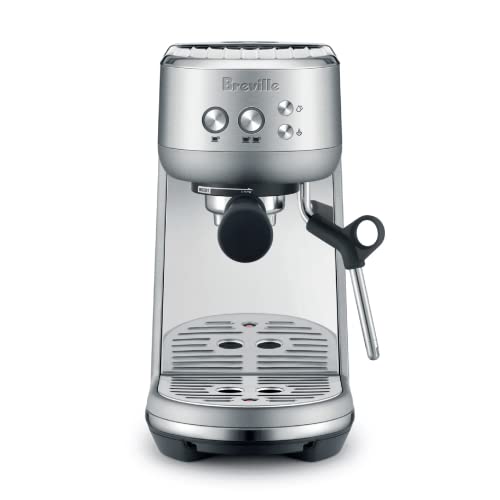
| Power | 1560 Watts |
| Voltage | 110–120 Volts |
| Brew Temperature Control | Digital Temperature Regulation (PID) |
| Portafilter Size | 54mm |
| Filter Baskets | Single Wall and Dual Wall (1 cup & 2 cup) included |
| Water Heating Time/Extraction Tempo | ThermoJet heating system achieving optimum extraction temperature in 3 seconds |
You wake up to a morning that finally feels a little closer to a café, thanks to this Breville Bambino catching your eye more than the usual compact machine on the counter. The brushed finish looks slick next to your mugs, and the 54mm portafilter already feels serious in your hand.
It’s different from the little capsule machines you’ve tried, with a heft that says you’re in for real espresso, not just a quick shot.
First thing you notice in use: the ThermoJet heats in about three seconds, so you aren’t waiting around to chase the preheat ritual you hate. The PID temperature control keeps things calm, so the shot doesn’t run hot or sour.
When you pull a shot, the pre-infusion starts mild and rises gradually, and you can feel the flavor blooming as it hits the cup.
The milk side is where this machine earns extra points. The automatic steam wand delivers microfoam you can actually texturize—no guessing, no clumping, just a smooth surface that makes latte art happen if you pour with a little patience.
The included steam wand tip cleaning tool is handy, and the 2- or 1-cup options fit a quick espresso or a longer day-start cappuccino.
Breville nails the compact thing without feeling cramped. The 1- and 2-cup settings, plus hot water and steam, cover basic home uses without flipping through menus.
It’s simple enough to be your daily driver but substantial enough to elevate your weekend drink game.
In real life, the Bambino shines when you want consistency without fuss. The low-pressure pre-infusion helps pull even flavors from a routine grind, so you don’t get that sour shot you fear.
It’s not a full-blown pro setup, but for everyday espresso at home, it holds its own and then some.
Breville BES870XL Barista Express Espresso Machine, Brushed

- ✓ Built-in grinder convenience
- ✓ Consistent PID temperature
- ✓ Smooth microfoam wand
- ✕ Takes counter space
- ✕ Learning curve for grind/dose
| Power | 1600 Watts |
| Voltage | 120 Volts |
| Water Capacity | 67 oz (1.98 L) removable water tank |
| Bean Hopper Capacity | 1/2 lb (approximately 227 g) |
| Grinder | Built-in precision conical burr grinder with grind size dial and grind-on-demand dosing |
| Portafilter | 54 mm stainless steel portafilter with single and double shot baskets |
You know that moment you pour water into the Breville and the display comes alive with that confident hiss? I’ve had that on my counter for a while, and this Barista Express finally lived up to the hype I felt lingering from the brand’s blurbs.
The brushed exterior looks like it belongs in a real cafe, not a kitchen gadget. The hopper feels sturdy in your hand, and the 54mm portafilter snaps in with a reassuring click.
Grinding directly into the portafilter is the real game changer here. You’ll hear that crisp grind drop, and you can tune the grind size with the dial without battling static or clumps.
The built‑in grinder means you’re not chasing bags or timing shots—just dial in your bean, pull a dose, and you’re ready.
The PID temp control keeps things steady, so the shot doesn’t waver mid‑pull. When you stretch milk, that steam wand delivers a surprisingly silky microfoam for latte art, not just hot milk.
It’s easy to clean up after too, with a few quick swirls of the cleaning disc and a run of hot water.
You’ll appreciate the pre‑infusion, which starts gentle and builds pressure for a balanced extraction. The water tank is roomy enough for several shots, and the included accessories cover most bases for home espresso experiments.
It’s not child’s play to get perfect crema every time, but with a little practice, you’ll notice the consistency pays off.
If you’re serious about dialing in flavors, this machine treats you like a pro without needing a barista’s toolkit. It’s a thoughtful, all‑in‑one setup that makes daily espresso feel like a ritual.
You’ll likely reach for it most mornings rather than the old drip coffee pot.
Nespresso Vertuo Coffee & Espresso Maker by De’Longhi

- ✕ Quick heat-up
- ✕ Large water tank
- ✕ Easy to use
| Beverage Sizes | 4 cup size options: 5 oz coffee, 8 oz coffee, single espresso, double espresso |
| Water Tank Capacity | 54 ounces (1.6 liters) |
| Pod System | Vertuo capsule system with integrated barcode recognition |
| Heat-Up Time | Approx. 25 seconds to ready |
| Energy Features | Automatic shut-off for energy savings |
| Included Accessories | 17-count used pods container and complimentary starter set of Nespresso capsules |
You push a button and the Vertuo hums to life in seconds, but what grabs you is that bold 54-ounce water tank staring back at you like a mini coffee shop protagonist. It purrs quietly, and you notice the 25-second heat-up time that actually matches the quick sip you want after a long morning.
You’ll see the cup sizes lighting up on the front, and you think, “this is going to cover all my cravings.”
First morning test: a 8-ounce coffee comes out rich and smooth, with crema that looks almost too good for a home setup. The machine handles a single-serve option and then switches to a double espresso without you having to recalibrate anything.
It’s simple to navigate, and the buttons glow in a way that makes you feel confident you’ve chosen the right flavor profile.
Handling the machine in your kitchen, you notice how compact it feels on the counter, yet the water tank is surprisingly roomy. The 54-ounce reservoir is easy to fill, and the used-pod container slots neatly under the brew head.
You appreciate the energy-saving automatic shut-off after a period of inactivity—tiny, but it matters when you’re rushing out the door.
Brewing into a larger mug for iced coffee? No problem.
You can pour over ice and still get a satisfying chill without watering it down. The included starter capsules are a nice nudge to try a few blends, and you find the variety is enough to keep things interesting without overwhelming you.
Overall, this Vertuo feels like a reliable friend in the kitchen: quick, versatile, and pleasantly straightforward. It doesn’t pretend to be a full-on espresso bar, but it delivers coffee and espresso that’s consistently easy to love at home.
If you crave simplicity, a generous water tank, and a machine that respects your time, this is worth a look.
Mr. Coffee BVMC-PO19B All-in-One Pour Over Coffee Maker

- ✓ Integrated scale and guide
- ✓ Even water distribution
- ✓ Straightforward setup
- ✕ No warming plate
- ✕ Limited to 2-6 cups
| Brewing Capacity | Brews 2, 4, or 6 cups |
| Integrated Scale | Auto measure scale that calculates correct coffee-to-water ratio |
| Water Heating Temperature | Temperature-controlled gooseneck kettle (brewing temperature optimized for pour-over) |
| Filtration Type | C1 style brewer with number 2 pointed filters (filters sold separately) |
| Inclusion/Bundle | Includes dripper, kettle, and scale; warming plate not included |
| User Guidance Feature | On-screen step-by-step guide with bloom pause indicator |
You know that moment when you finally pull a perfect pour-over together without juggling a kettle and a scale? I had that with the Mr.
Coffee BVMC-PO19B, and it felt like a tiny barista corner set up on my counter. The integrated scale and on-screen guide walk you through bloom to brew, so you don’t second-guess the amount of coffee or water anymore.
The gooseneck kettle heats to the exact brewing temp, and the grip on the kettle is comfortable enough to tip slowly for a controlled pour. The C1-style brewer spreads water evenly through the grounds, which makes the aroma hit you before the first sip.
I appreciated the built-in auto measure; it tells you when you’ve added the right coffee-to-water ratio, which is perfect when you’re dialing in a new roast.
Setup felt straightforward: the dripper, kettle, and scale arrive as a tidy trio, so you’re not hunting for separate pieces. The on-screen prompts guide you to pause for blooming, which I found helped unlock more flavor without over-extracting.
It brews 2, 4, or 6 cups, so it’s flexible whether you’re solo or sharing. The note about warming plate not included makes sense; you’re avoiding bitter over-heating in the final cup.
Real-world use was consistently simple: you’ll measure once, then let the screen guide you through each step, and you’ll notice the cleaner, more controlled flavor profile compared to a straight drip. If you love pour-over but hate the guesswork, this put-together kit makes the process feel almost ceremonial—minus the chaos.
Overall, it fits a compact kitchen, keeps the ritual, and gives you reliable pours with less mess. It’s a solid bridge between a manual pour and a full-on machine, especially for weekend mornings when you want a clean, focused cup without extra fuss.
CASABREWS Espresso Machine — 20-Bar, Milk Frother, 34oz Tank

- ✓ Solid build, compact footprint
- ✓ Good crema, rich flavor
- ✓ Easy, forgiving cleanup
- ✕ Small learning curve for frothing
- ✕ Requires cooling after frothing
| Pump Pressure | 20 bar Italian pump |
| Power | 1350 W |
| Water Tank Capacity | 34 oz (approximately 1.0 L) |
| Milk Frother / Steam Wand | Steam wand capable of creating micro-foam for lattes and cappuccinos |
| Inlet/Water System | Removable water tank with easy-fill access |
| Included Accessories | Portafilter, tamper, and brewing filters |
You flick the power switch and the CASABREWS wakes with a quiet, confident hiss, like a small café buzzing to life. The first time you unclasp the 34 oz tank, you notice how the stainless steel shines and the fit feels solid in your hand.
You lock in the portafilter, tamp, and you’re surprised at how compact it is on the counter—still capable of a proper crema with its 20-bar pump. When you pull the lever, the espresso pours with a clean, dark stream and that first sip nails the kind of bold sweetness you usually chase in a shop-made shot.
The milk frother starts as a gentle whirl, and you watch micro-foam form in a glossy swirl. It’s not a giant wand, but it delivers enough lift for latte art without drama.
You learn to time the froth and shot, cooling the machine briefly before starting a second round, because the guide warned you about overheating.
Cleanup is approachable: removable drip tray pops out easily, and the tank seals with a soft click. The included tamper and filters feel like the real deal, so you’re not hunting for accessories after unboxing.
In a quiet kitchen, you can churn out a cappuccino that’s closer to café quality than you expected for the price.
Real-world use feels thoughtful: you can switch between one- and two-shot drinks, and the steam wand handles light latte art without fighting you. It’s a practical, stylish little setup for mornings or busy workdays, especially if you want café vibes without the line.
What Makes a Great Coffee at Home?
The best make at home coffee relies on several key factors that enhance flavor and brewing quality.
- Freshly Ground Coffee Beans: Using freshly ground coffee beans is crucial for achieving the best flavor. The oils and compounds in coffee start to oxidize and lose their potency shortly after grinding, so grinding just before brewing maximizes freshness and aroma.
- Quality Water: The quality of water used in brewing coffee significantly impacts the final taste. Ideally, filtered water free from impurities and chlorine should be used, as the flavors in coffee can be easily affected by the water’s mineral content and cleanliness.
- Proper Brewing Technique: The method of brewing can greatly influence the extraction and taste of the coffee. Whether using a French press, pour-over, or espresso machine, it’s important to follow the correct ratios of coffee to water and the right brewing time to achieve optimal flavor extraction.
- Temperature Control: The temperature of the water used in brewing affects the extraction process. Generally, water between 195°F and 205°F is ideal for brewing coffee, as too hot can scorch the grounds, while too cool can result in under-extraction and a weak cup.
- Correct Coffee-to-Water Ratio: Finding the right balance between coffee and water is essential for a good brew. A common recommendation is a ratio of 1:15 to 1:17 (coffee to water), which can be adjusted based on personal taste preferences for strength and flavor.
- Equipment Maintenance: Regular cleaning and maintenance of your coffee equipment ensure that old coffee oils and residues don’t negatively affect the flavor of your brew. Using clean tools helps preserve the integrity of the coffee’s flavor profile and enhances the overall drinking experience.
How Important is Freshness in Coffee Ingredients?
Freshness in coffee ingredients is crucial for achieving the best make at home coffee experience.
- Freshly Roasted Coffee Beans: The flavor profile of coffee is at its peak shortly after roasting, typically within 2 to 14 days. As beans age, they lose essential oils and aromas, leading to a dull and stale taste.
- Filtered Water: The quality of water significantly impacts the extraction process and the final flavor of coffee. Using filtered water free from impurities ensures that the true flavors of the coffee beans shine through without interference from chlorine or other contaminants.
- Freshly Ground Coffee: Grinding coffee beans just before brewing preserves the volatile compounds responsible for flavor and aroma. Once ground, coffee begins to oxidize quickly, which diminishes its quality, so using a burr grinder to achieve a consistent grind just before brewing is ideal.
- Fresh Dairy or Non-Dairy Milk: If you use milk in your coffee, freshness is key to maintaining a creamy texture and rich flavor. Milk that is past its expiration date can spoil and negatively affect the overall taste of your coffee drink.
- Fresh Spices or Flavorings: Adding spices like cinnamon or nutmeg can enhance the flavor of coffee, but using fresh and high-quality spices will ensure their full flavor potential is realized. Ground spices lose potency over time, so using whole spices and grinding them right before use can elevate your coffee experience.
What Are the Different Brewing Methods for Coffee at Home?
The different brewing methods for coffee at home include:
- Drip Coffee Maker: This is one of the most common methods for making coffee at home. It involves pouring water into a reservoir that heats up and drips through coffee grounds in a filter, producing a pot of coffee that can serve multiple cups.
- French Press: The French press method involves steeping coarsely ground coffee in hot water for several minutes before pressing down a metal or plastic plunger to separate the grounds. This method allows for a rich, full-bodied coffee experience as the oils from the coffee grounds are not filtered out.
- Pour Over: In this method, hot water is poured over coffee grounds placed in a filter cone. The water slowly drips through the coffee, allowing for precise control over the brewing time and extraction, resulting in a clean and flavorful cup of coffee.
- Aeropress: The Aeropress uses air pressure to push hot water through coffee grounds, creating a concentrated coffee similar to espresso. It is compact and portable, making it great for travel while also allowing for experimentation with brewing times and coffee-to-water ratios.
- Cold Brew: Cold brew coffee is made by steeping coarsely ground coffee in cold water for an extended period, usually 12-24 hours. This method results in a smooth, less acidic coffee concentrate that can be diluted with water or milk and served over ice.
- Moka Pot: The Moka pot brews coffee by passing boiling water pressurized by steam through coffee grounds. This method produces a strong, rich coffee similar to espresso and is often used in Italian households.
- Siphon Coffee Maker: This method uses vapor pressure and vacuum to brew coffee, providing a theatrical experience. The process involves heating water in a lower chamber, which then travels to an upper chamber where it mixes with coffee grounds, before being returned to the lower chamber as brewed coffee.
How Does Each Method Affect Coffee Flavor?
- Drip Coffee: This popular method involves pouring water over coffee grounds, allowing gravity to extract flavors as the coffee drips into a carafe. The result is a clean and consistent flavor, though it may lack the depth and complexity found in other brewing methods.
- French Press: This immersion method allows coffee grounds to steep in hot water before being separated by pressing down a plunger. The French Press produces a rich, full-bodied cup of coffee with a heavier mouthfeel, capturing more oils and fine particles, which contributes to a robust flavor.
- Pour Over: In this method, hot water is poured over coffee grounds in a filter, allowing for precise control over the brewing time and temperature. Pour over coffee tends to have a bright and clean taste, highlighting the coffee’s unique flavor notes, making it ideal for showcasing single-origin beans.
- Aeropress: The Aeropress uses air pressure to push hot water through coffee grounds, resulting in a concentrated brew. This method allows for versatility in brewing styles and can produce a smooth, rich cup that emphasizes sweetness and reduces bitterness.
- Cold Brew: By steeping coarsely ground coffee in cold water for an extended period, cold brew creates a smooth and mellow flavor profile. The low acidity and natural sweetness result in a refreshing drink that is less bitter than traditional hot brewing methods.
- Moka Pot: This stovetop brewer uses steam pressure to push water through coffee grounds, producing a strong, espresso-like coffee. The Moka Pot creates a thick, rich brew with a robust flavor and can often have a slightly bitter edge due to the higher extraction levels.
What Coffee Beans Should You Consider for Home Brewing?
- Arabica Beans: These beans are known for their smooth, complex flavor profiles and lower acidity, making them a popular choice among coffee enthusiasts.
- Robusta Beans: With a stronger, more bitter flavor and higher caffeine content, Robusta beans are often used to create a more robust coffee blend, perfect for espresso.
- Single-Origin Beans: Sourced from a specific region or farm, these beans offer unique flavor notes that reflect the local climate and soil conditions, allowing for a more personalized coffee experience.
- Blends: Combining different varieties of beans, blends are crafted to achieve a balanced flavor profile, often enhancing the strengths of each bean type involved.
- Specialty Coffee Beans: These are high-quality beans that have been meticulously grown and processed, often scoring above 80 points on the Specialty Coffee Association scale, ideal for those seeking premium flavor.
Arabica beans are prized for their nuanced flavors, which can include notes of fruit and sugar, and they typically have a softer mouthfeel, making them ideal for various brewing methods from drip to pour-over.
Robusta beans, on the other hand, are often favored for their strong, earthy flavor and creamy body, making them suitable for espresso and blends where a rich crema is desired.
Single-origin beans allow coffee drinkers to explore the distinct tastes that different regions contribute, whether it’s the fruity Ethiopian beans or the chocolatey tones of Colombian beans.
Blends are popular for home brewing as they provide a consistent taste and can be tailored to meet personal preferences, combining the best characteristics of both Arabica and Robusta beans.
Specialty coffee beans elevate the home brewing experience by offering unique flavor profiles, often with tasting notes inspired by their origin, which can be a delightful adventure for the palate.
How Do Origin and Roast Types Influence Coffee Quality?
Processing Method: Coffee beans can undergo different processing methods, such as washed, natural, or honey processes. Each method affects the final flavor; for example, natural processing can lead to fruitier flavors due to the beans being dried with the fruit still attached, while washed processing often results in a cleaner, more acidic cup. These variations can significantly alter the taste of the coffee you brew at home.
Freshness: Coffee is best enjoyed fresh, as its flavor diminishes over time due to oxidation. Ideally, coffee beans should be consumed within a few weeks of roasting to capture the full spectrum of their flavors. Using freshly roasted beans for home brewing ensures a vibrant and enjoyable cup, making freshness a critical factor in the quality of at-home coffee.
What Are the Common Mistakes to Avoid When Brewing Coffee?
When brewing coffee at home, there are several common mistakes to avoid for the best results:
- Using Stale Coffee Beans: Freshness is crucial in coffee; using stale beans will lead to a flat and unappetizing brew.
- Incorrect Coffee-to-Water Ratio: Not measuring the right amount of coffee to water can result in either weak or overly strong coffee.
- Poor Water Quality: The quality of water used can significantly affect the taste of your coffee; using tap water with impurities can lead to off flavors.
- Inconsistent Grind Size: The grind size should match the brewing method; inconsistent sizes can lead to uneven extraction and undesirable flavors.
- Ignoring Brew Time: Over or under-extracting coffee by not adhering to the recommended brew time can alter the taste profile significantly.
- Not Preheating Equipment: Failing to preheat your brewing equipment can result in a temperature drop during brewing, affecting extraction and flavor.
- Using the Wrong Brewing Method: Different brewing methods require specific techniques and understanding; using the wrong method can lead to subpar results.
Using stale coffee beans means that you may miss out on the rich flavors and aromas that fresh beans provide. Always check the roast date and aim to use coffee within a few weeks of roasting for the best taste.
The coffee-to-water ratio is essential; a common guideline is to use one to two tablespoons of coffee per six ounces of water. Adjusting this ratio will directly influence the strength and flavor of your brew.
Water quality cannot be overlooked, as coffee is approximately 98% water. Using filtered or bottled water can enhance the taste, while hard or mineral-heavy tap water can introduce undesirable flavors.
Grind size affects how coffee extracts flavor during brewing. A coarse grind is suitable for methods like French press, while a fine grind is necessary for espresso; inconsistency in grind size can lead to both under-extraction and over-extraction.
Brew time varies by method; for instance, French press requires about four minutes, while espresso takes around 25-30 seconds. Monitoring this time helps achieve the ideal balance of flavors in your cup.
Preheating your equipment, such as the coffee maker or the carafe, ensures that the brewing temperature remains stable. Starting with a cold setup can cool down the water too much, impacting the extraction process.
Each brewing method has its distinct requirements and techniques. Familiarizing yourself with the preferred method and adhering to specific guidelines can help you avoid common pitfalls and enhance your coffee experience.
How Can You Perfect Your Coffee Brewing Technique at Home?
To perfect your coffee brewing technique at home, consider the following methods and tips:
- Invest in Quality Coffee Beans: Selecting high-quality, freshly roasted beans is crucial for achieving the best flavor in your coffee. Look for beans that are sourced from reputable growers and consider experimenting with different roasts to find your preferred taste.
- Use the Right Grind Size: The grind size of your coffee beans significantly impacts the extraction process. For example, a coarse grind is ideal for French press brewing, while a fine grind works well for espresso; matching the grind size to your brewing method can enhance flavor and aroma.
- Measure Coffee and Water Accurately: Using the right coffee-to-water ratio is essential for a balanced brew. A common guideline is to use one to two tablespoons of coffee per six ounces of water, though you may need to adjust this based on personal preference and the brewing method.
- Control Water Temperature: The temperature of the water used for brewing affects the extraction of flavors from the coffee grounds. Ideally, water should be between 195°F to 205°F; using water that is too hot can lead to bitter flavors, while water that is too cool may result in under-extraction.
- Brewing Time: Different brewing methods require varying times to extract the best flavors from the coffee. For instance, a French press typically brews for about four minutes, while espresso takes around 25-30 seconds; adjusting the brewing time can help you achieve the desired strength and taste.
- Experiment with Brewing Methods: There are numerous brewing methods to explore, including drip coffee makers, pour-over, French press, and AeroPress. Each method offers unique characteristics in flavor and body, so experimenting with different techniques can help you discover your favorite way to enjoy coffee.
- Maintain Your Equipment: Regular cleaning and maintenance of your coffee brewing equipment are essential for optimal performance and taste. Residue from old coffee oils and minerals can negatively affect the flavor, so ensure your equipment is clean and free of buildup.
- Consider Water Quality: The type of water you use can greatly influence the taste of your coffee. Use filtered or bottled water to avoid unpleasant flavors from tap water, as impurities can alter the overall quality of your brew.
What Role Does Water Quality Play in Brewing the Perfect Cup?
- Water Composition: The mineral content of water, including calcium, magnesium, and bicarbonates, plays a significant role in flavor extraction. Water that is too soft or too hard can result in a flat or overly bitter coffee, respectively.
- pH Level: The acidity or alkalinity of water impacts how coffee flavors are perceived. Ideally, water should have a neutral pH around 7; deviations can lead to undesirable taste profiles.
- Purity and Contaminants: Clean water free from impurities like chlorine and heavy metals is essential for brewing. Contaminants can introduce off-flavors and aromas that overshadow the coffee’s natural characteristics.
- Temperature: The temperature of the water during brewing affects the extraction process. Water that is too hot can scorch coffee grounds, while water that is too cold may not extract enough flavor, leading to a weak brew.
- Water Source: The source of water, whether tap, filtered, or bottled, can influence taste. Filtered water is often recommended to achieve a balanced flavor without unwanted additives found in municipal supplies.